
Brand & Design
A branding agency in Dubai for identities that hold up in Arabic and English
AVMDEVS is a branding agency in Dubai for companies that need an identity to work everywhere it will actually appear: a bilingual logo on a trade licence and a storefront, a visual language on a website and a pitch deck, a voice that reads the same in Arabic and English. You get the strategy, the mark, the system and the guidelines, and the files in every format your team will ask for.
We take on a limited number of identity projects at a time and a lead reads every brief. A rebrand that the business does not need, or a logo that is really a request for a website, is told so at the review.
Scope
What you get
Fixed, written into the proposal, and the same list you will see on the invoice. Anything outside it gets quoted before it gets built.
- 01
Brand strategy
Positioning, the audience, the promise and the voice, written down in two languages before anything is drawn, so every later decision has something to be checked against.
- 02
Identity and logo
A mark that works as an Arabic and English lockup, in one colour, at favicon size and on a building, with the wordmark drawn rather than typed.
- 03
Visual language
Colour, type in both scripts, imagery, layout rules and the small decisions that make a brand recognisable on a phone screen before the name is read.
- 04
Guidelines
A guide your team, your printer and your next agency can apply consistently, with the do-not-do list that saves the identity from slow erosion.
- 05
Applications
Stationery, social templates, the website's design system, signage and packaging where the business needs them, produced from the system rather than invented per item.
Method
How we work on this
Four steps, and what each one means for this kind of work.
Step 01
Brief: what the brand has to do and where it will live
You send the brief with the business, the audience, the markets and languages, what you sell and how you want to be seen, and every surface the identity will appear on. Anything you have now, and anything you dislike about it, helps.
Step 02
Review: a lead replies within one business day
The reply is a yes, a no with a reason, or the questions we need answered. A yes names the shape of the work, a refresh or a new identity, and the two or three decisions that will shape it, usually the bilingual lockup and the surfaces that matter most.
Step 03
Scope: deliverables, rounds, date and price
A written scope lists the strategy deliverables, the number of directions and rounds, the applications, the file formats, a fixed price and a date. Anything outside it is quoted before it is designed.
Step 04
Build: strategy first, then directions, then the system
Strategy is agreed in writing before a mark is drawn. Two or three directions follow, one is developed, the system is built around it and tested on the real surfaces, and the guidelines are written last so they describe what actually shipped.
Region
Delivered in the Gulf
The specifics that decide whether a build works in the UAE and Saudi Arabia, handled as part of the scope rather than discovered after launch.
A brand in the UAE or Saudi Arabia lives in two scripts, and the Arabic half is designed, not translated. The Arabic wordmark is drawn to sit with the Latin one at the same visual weight, the type system pairs an Arabic face with a Latin face that share a rhythm, and every layout rule is checked mirrored.
For a branding agency in Saudi Arabia the specifics are cultural as much as technical: imagery and colour that read well in the Kingdom, a name and mark that clear the Ministry of Commerce trade-name rules, and applications that work on a Salla or Zid storefront as well as a website. In the UAE the identity has to hold up on a trade licence, a Dubai Municipality sign permit and a LinkedIn banner on the same day.
Every identity ships with the files a Gulf business actually needs: the bilingual lockups, the mono versions for engraving and embossing, the social templates in both directions and a guide short enough to be read.
Investment
Pricing
Indicative ranges for accepted projects. Every quote is written against the scope agreed at the review.
An identity is priced against the written scope: the strategy work, the number of directions and rounds, and the applications the brand needs at launch. Accepted projects in this category usually start around $650. See ranges →
Proof
Related work
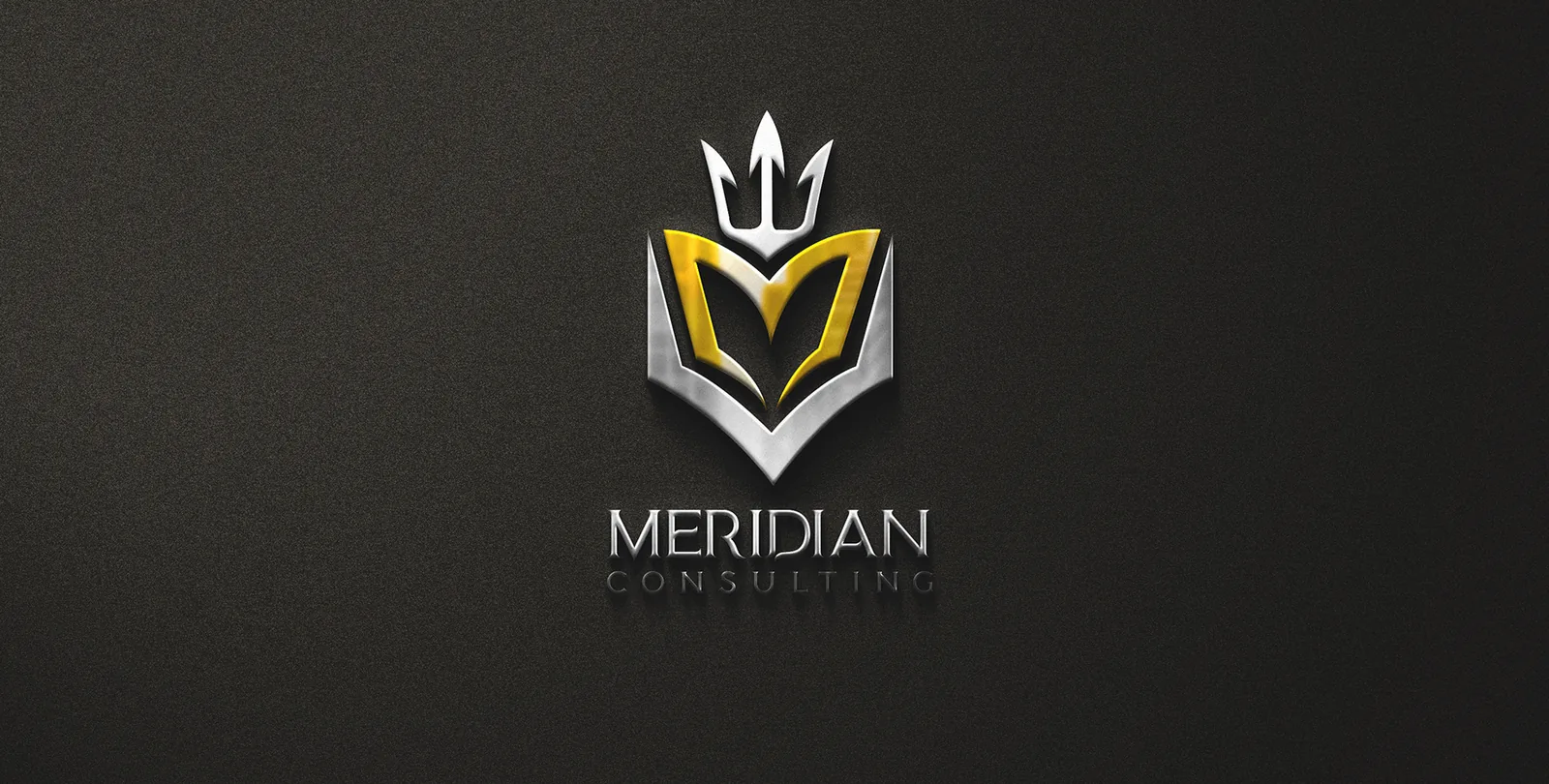
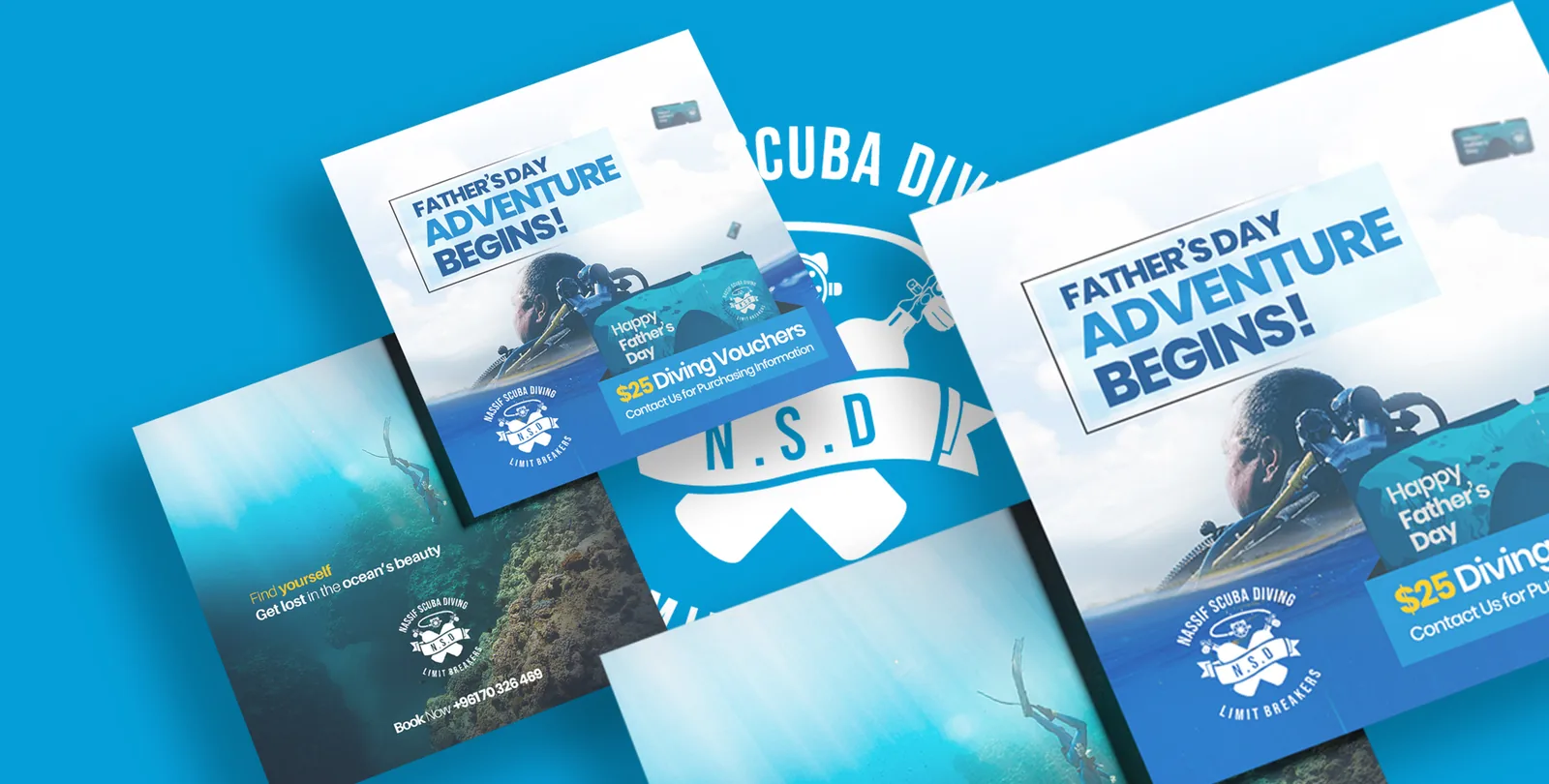
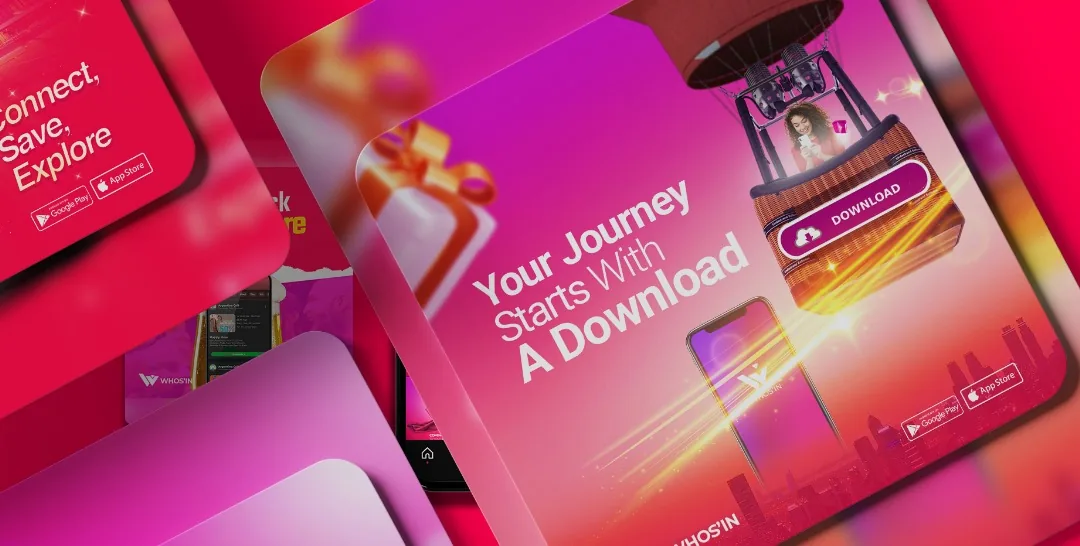
Cases from the public part of the record in this discipline. Open any of them for the brief, the build and the screens.
Answers
Branding questions
The things clients ask before they sign. If yours is not here, ask us directly.
Do you take every project?
No. A lead reads every brief and we accept the identity work we can do well with the people we have. A rebrand the business does not need, a request for a logo by tomorrow, or a brief with no one on your side able to decide gets an honest no at the review, with the reason and often a cheaper route.
Who owns the code?
You own the identity outright: the mark, the type and colour system, the guidelines, the source files and every application, with the rights assigned to your company in the contract. Fonts are licensed in your name. There is no ongoing fee and nothing to buy back if you move to another agency.
Do you design the Arabic version of the logo?
Yes, and it is designed rather than translated. The Arabic wordmark is drawn to match the Latin one in weight and rhythm, the lockups are built for both reading directions, and the type system pairs faces from both scripts that were chosen together. A bilingual identity that treats Arabic as an afterthought is the most common thing we are asked to fix.
How long does a brand identity take?
A full identity with strategy usually runs eight to twelve weeks: two to three weeks of strategy, three to four of directions and development, and the rest for the system, applications and guidelines. A refresh of an identity that already works is shorter. The scope states the date.
Can you carry the brand through to the website and social?
Yes, and it is usually the best outcome for the identity, because the same team applies the system to the website's design system, the social templates and the campaign work. Nothing is reinterpreted by a second vendor, and the guidelines are tested on real surfaces before they are written.
Next
Works well with
Most engagements combine two or three of these. They are built by the same team, so nothing has to be integrated after the fact.
- Website DevelopmentWe design and build custom websites and web apps that load fast, rank well, and convert.
- Social Media MarketingWe run always-on social that builds audience and demand, from content and community to paid campaigns, measured against real business outcomes.
- Online StoresAn online store on Shopify, WooCommerce, Zid or Salla, with products, payments and shipping set up, tested and ready to take orders.
Submit a brief.
A lead reads every brief and replies within one business day with a yes, a no, or the questions we need answered before we can say.
Typical range for an accepted project in this category starts around $650. See ranges