
Engineering
Mobile App Development
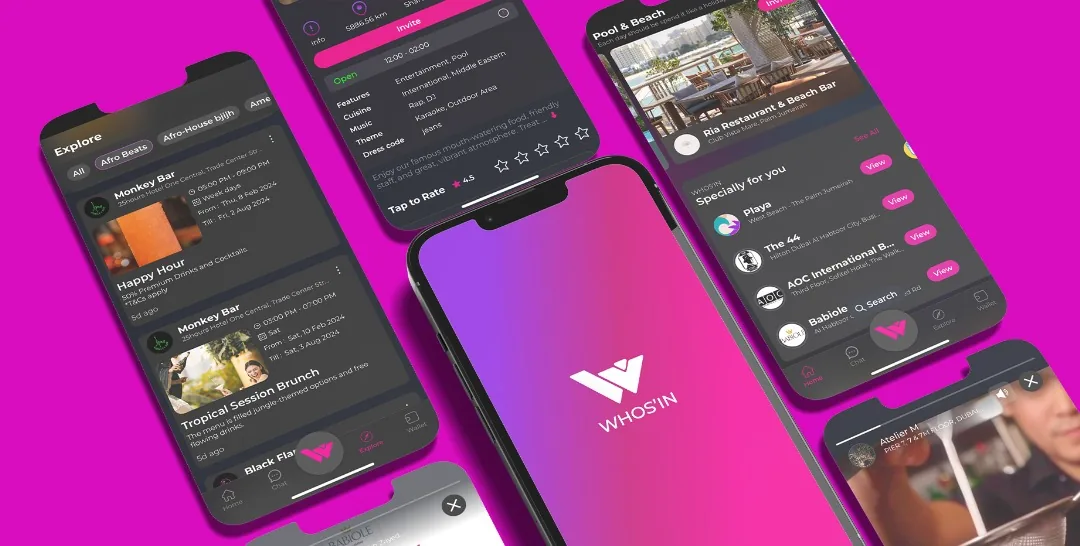
We build native-grade iOS and Android apps from first scope to a live release, with the backend, analytics, and release pipeline to match. Our flagship, WHOS'IN, reached 39k users.
AVMDEVS builds iOS and Android apps for businesses across the UAE, Saudi Arabia and the wider region, from a scoped feature list and a fixed price through to store launch and the updates after it. Arabic and RTL are handled at design time, not patched in during QA.
Most app failures are not engineering failures. They are scope failures: a feature list that grew past what the budget or the timeline could carry, and a launch that slipped until the market moved on. We fix that at discovery, before a screen gets designed, by agreeing the smallest version worth shipping and pricing that, not a wishlist.
The same team designs the screens, builds the backend and submits to the stores, which means the three places apps usually break, the handoff between design and engineering, an API someone else built badly, and a store review nobody prepared for, do not happen on our builds.
Why it is worth doing
What this changes for your business
Outcome 01
An app that reaches the P&L
Not a prototype that dies in App Store review: a scoped build made to actually ship and actually get used.
Outcome 02
Fixed scope, fixed price
You approve what gets built before it gets built, so the invoice at the end matches the quote at the start.
Outcome 03
One team from screen to server
No integration blame game between a design shop and a dev shop when something does not line up.
Outcome 04
Built for the Gulf
Arabic-first UX and the local payment rails your users already expect, designed in from day one.
Scope
What you get
Fixed, written into the proposal, and the same list you will see on the invoice. Anything outside it gets quoted before it gets built.
- 01
iOS and Android
Native and cross-platform builds chosen to fit the goal.
- 02
Product and UX
Flows, prototypes, and a UI users understand instantly.
- 03
Backend and APIs
The services, data, and auth your app depends on.
- 04
Store launch and support
Submission, release, and a full lifecycle of updates.
Method
How we work
The real process behind mobile app development, step by step, in the team's own words.
Step 01
Product discovery
We pressure-test the idea against real users and real competitors, then agree the smallest version worth shipping. You leave with a scoped feature list and a fixed price, not an open-ended estimate.
Step 02
UX and UI prototype
Every screen is designed and linked into a prototype you can walk through before build starts. Arabic and RTL layouts are designed in from the start, because retrofitting a mirrored layout after the fact breaks more than it fixes.
Step 03
Build in sprints
iOS and Android get built in two-week sprints, each ending in a working demo. You always know what exists today and what ships next, instead of waiting for a single reveal at the end.
Step 04
Backend and integrations
APIs, data, notifications, payments and third-party services are built by the same team and tested against realistic load, not assumed to work because they worked in a demo.
Step 05
Store launch
We handle App Store and Google Play submission, respond to review feedback, and optimize the store listing so the app is findable, not just published.
Step 06
Post-launch iteration
Crash monitoring, analytics review and a prioritized improvement list every month. An app is a product that keeps earning its budget, not a project that ends at launch.
Proof
Related work
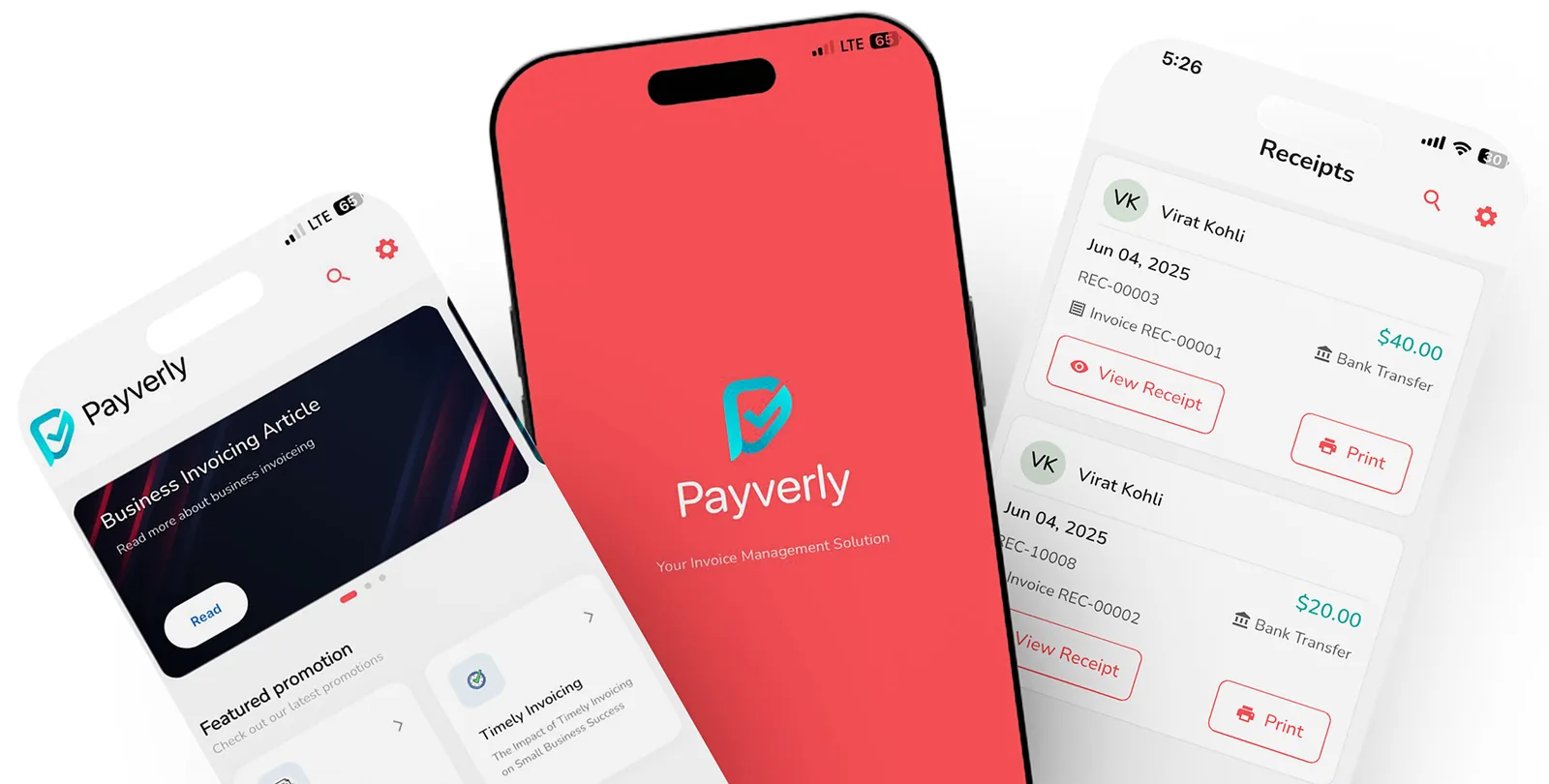
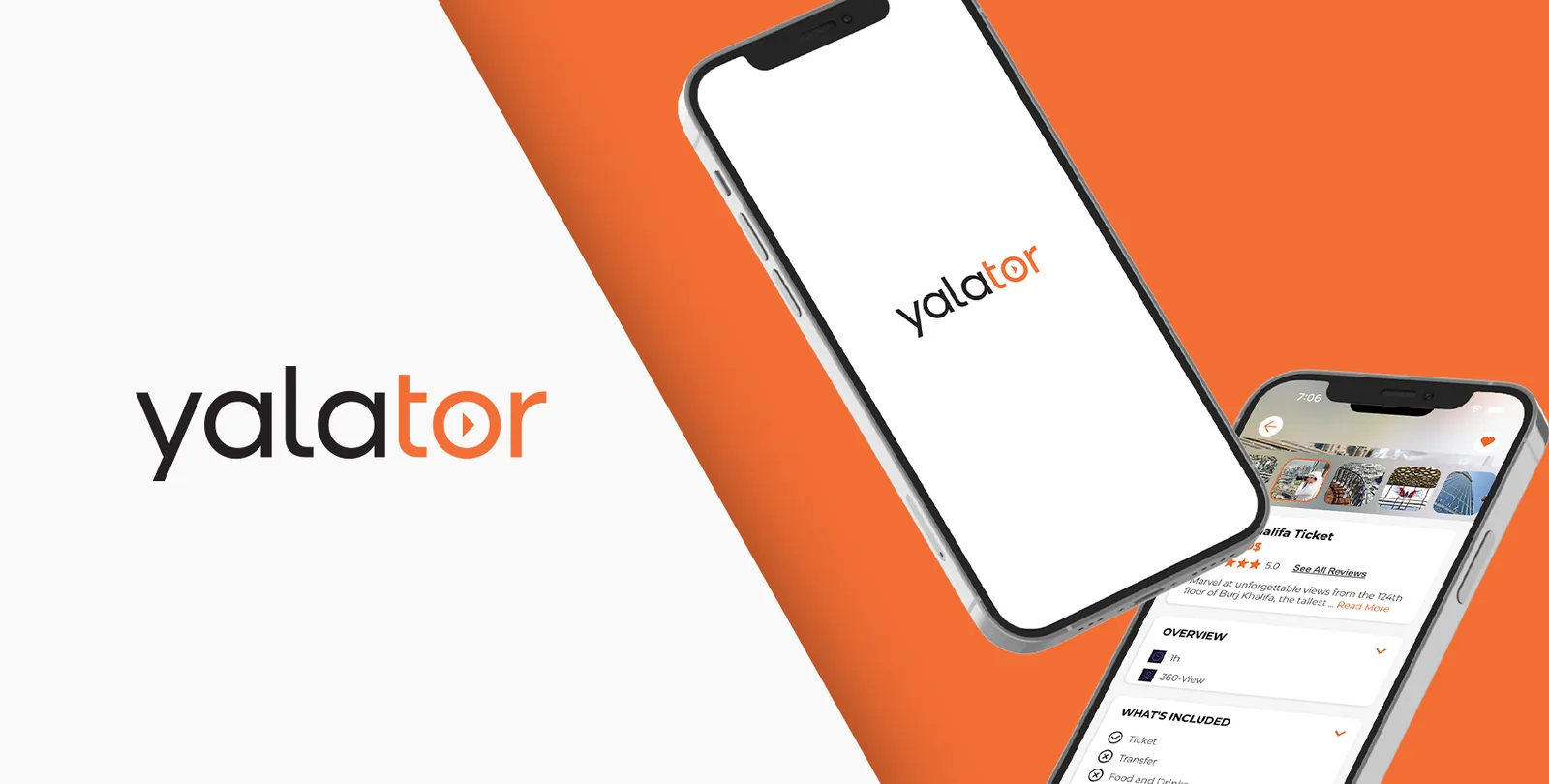
Real projects from the AVMDEVS archive in this discipline. Open any of them for the brief, the build and the screens.
Answers
Mobile App Development questions
The things clients ask before they sign. If yours is not here, ask us directly.
How much does app development cost in Dubai?
Cost tracks the tier: a lean MVP that proves the idea, a growth build with a fuller feature set and integrations, or an enterprise build with complex backend and compliance needs. We scope against your feature list, not a day rate. Send the brief and you get a fixed quote within one business day.
How long does it take to build an app?
An MVP typically ships in 8 to 14 weeks. A fuller growth-tier app with more screens, integrations and both platforms in parallel runs longer. Two-week sprint demos mean you see real progress the entire way, not just at the end.
Do you build native, Flutter or React Native, and how do you choose?
The choice follows the app, not a house preference. Performance-heavy apps with deep device features usually go native; most business and consumer apps ship faster and cheaper cross-platform without a real trade-off in quality. We recommend the stack after discovery, with the reasoning, not before it.
Can you build for both the UAE and Saudi markets?
Yes. That means Arabic-first UX and RTL layouts designed in, not mirrored after the fact, plus the local payment methods and data-handling expectations both markets carry. One build, both markets, from the same codebase where the product allows it.
What happens after launch?
Crash monitoring, analytics review and a monthly prioritized list of fixes and improvements. Most clients keep an iteration retainer running after launch, because the first version of any app is a starting point, not the finished product.
Do I own the source code and the store accounts?
Yes. The source code, the design files and the store developer accounts are yours. Handover includes documentation so any team, ours or someone else's, can pick the codebase up cleanly.
Can you take over or rescue an existing app?
Often, yes. We audit the codebase first, honestly: what is salvageable, what is not, and what a rescue actually costs versus a rebuild. You get that answer before you commit to either path.
Will my app idea stay confidential?
Yes. We sign NDAs as a matter of course before any discovery call goes into detail, and access to the codebase and designs stays limited to the people actually working on it.
Delivered in the Gulf
Shipping in the Gulf means designing Arabic and RTL interfaces from the first wireframe, not mirroring a finished English app afterward, and wiring in the payment methods UAE and KSA users actually reach for, including Tabby and Tamara for buy-now-pay-later alongside standard card rails. It also means building with local data-handling expectations in mind from the first architecture conversation, not as a retrofit before submission.
Where
Delivered from four desks
United States
Sherman Oaks
Lebanon
Beirut
UAE
Dubai
KSA
Jeddah
AVMDEVS is a US-registered LLC and has been shipping since 2011, more than 400 projects to date. Whichever desk you start from, you work with one team and one point of accountability.
Next
Works well with
Most engagements combine two or three of these. They are built by the same team, so nothing has to be integrated after the fact.
- Backend DevelopmentWe build the APIs, services, and data models your product runs on, with security, observability, and scale designed in from the start..
- Website DevelopmentWe design and build custom websites and web apps that load fast, rank well, and convert.
- Dashboard DevelopmentWe build operational and analytics dashboards that turn scattered data into decisions, with the pipelines and access controls behind them..
Ready when you are.
Tell us where you are with mobile app development. You will talk to the people who will actually do the work, not a sales layer, and you will get a straight answer on scope and timeline.