
Most companies asking for more traffic already have enough. What they do not have is a page that turns a stranger into a conversation, and more visitors to that page will not fix it.
The promise has to survive ten seconds
A visitor arriving from a search has three questions: what do you do, have you done it for someone like me, and what happens if I get in touch. If the top of the page does not answer all three, the design does not matter.
Test it honestly. Show your homepage to someone outside the company for ten seconds, then ask what you sell. The answers are usually a surprise, and usually the real diagnosis.
Proof belongs where the doubt is
Doubt does not appear on the homepage, it appears immediately before the action. So the proof has to sit next to the form, not in a logo strip at the bottom: a named client, a specific outcome, a number. "Trusted by leading brands" is not proof, it is a claim about claims.
If confidentiality prevents naming a client, give the sector, the scope and the measured result. Specificity is what persuades, not the logo.
A form that filters beats a form that collects
Name, email and message produces volume and no way to triage it. Adding budget range, timeline and project type produces fewer submissions and far more real conversations.
The objection is always that asking reduces completion. It does, and that is the function. You are filtering in the form instead of in a thirty-minute call that goes nowhere.
Speed is a commercial requirement
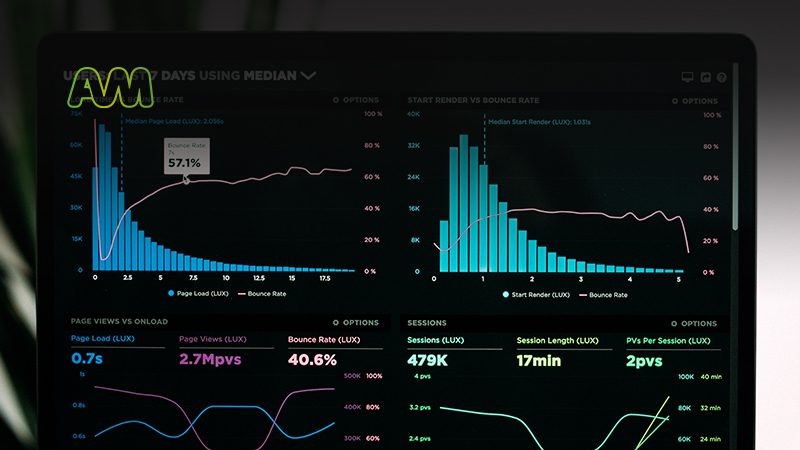
On mobile data, every second past three costs a measurable share of visitors before a single word has been read. Performance is not a technical nicety, it is the first impression, and it is the cheapest conversion work available.
Measure the right thing
Sessions are not an objective. Qualified enquiries, calls started, documents downloaded, and service pages viewed by people who then made contact. If your analytics cannot separate those, the site can only be redesigned on instinct, never improved on evidence.
Frequently asked questions
How many pages does a B2B site need?
As many as you have real content for. One service page with substance outperforms six generic ones, and it is the one that can rank.
When is a redesign the right answer?
When the site no longer describes what you sell, or when its performance has degraded past repair. A redesign every three years by habit is budget spent without a diagnosis.