
Engineering
Custom web development in Dubai for the platforms your business runs on
AVMDEVS does custom web development in Dubai and across the GCC for businesses that have outgrown off-the-shelf software: a client portal, an operations platform, a marketplace, an internal tool that replaces the spreadsheet everyone dreads. You get the architecture, a Next.js front end, a Node.js or Go backend on PostgreSQL, the cloud setup, automated tests and deploys, and the code.
We take on a limited number of platform builds at a time, and a senior engineer reads every brief. A problem a SaaS product already solves is told so at the review, because building what you could rent is the most expensive mistake in this category.
Scope
What you get
Fixed, written into the proposal, and the same list you will see on the invoice. Anything outside it gets quoted before it gets built.
- 01
Architecture first
The data model, the APIs, the roles and the infrastructure designed and written down before code, so the build has a plan the client can read.
- 02
Next.js front ends
React with TypeScript on Next.js, styled with Tailwind: fast, search-friendly interfaces that score well on Core Web Vitals, in Arabic and English where the users need both, on any screen size.
- 03
Node.js or Go backends
Node.js where speed of delivery matters most, Go where throughput and scale do. The choice is made in the review and written into the scope with the reason.
- 04
PostgreSQL and clean APIs
A relational database with row-level security where the data is shared between tenants, REST APIs a partner could read, and integrations with the tools you already run.
- 05
Cloud and DevOps
AWS, Hetzner or DigitalOcean, chosen for where the data has to live and what it costs to run, with automated deploys, backups and monitoring from the first week.
- 06
Security and quality
Roles and permissions, encryption, automated tests on every change, performance checks and the handover documentation whoever maintains it will need.
Method
How we work on this
Four steps, and what each one means for this kind of work.
Step 01
Brief: the process the software has to carry
You send the brief with the business process, who uses it and how often, the systems it must talk to, the data it holds and where that data may live. A screenshot of the spreadsheet or the tool you are replacing is the most useful attachment.
Step 02
Review: build or buy, answered within one business day
A senior engineer reads the brief and replies with a yes, a no with a reason, or the questions we need answered. Part of every yes is a straight answer on whether something you could rent would serve you better, and if it would, we say so.
Step 03
Scope: architecture, screens, integrations, date and price
A written scope names the data model in outline, every screen and role, every integration with the API it uses, the hosting and its running cost, a fixed price and a date. Anything outside it is quoted before it is built.
Step 04
Build: a working slice in the first month
The core flow ships end to end on a staging link within the first month, real data in place, and every week adds to it. Automated tests and deploys run from the first commit, and launch includes migration from whatever the platform replaces.
Region
Delivered in the Gulf
The specifics that decide whether a build works in the UAE and Saudi Arabia, handled as part of the scope rather than discovered after launch.
A platform for the UAE or Saudi Arabia is built for two reading directions and two calendars: right-to-left screens that mirror properly, Arabic type set correctly, and Hijri dates where the business needs them. Users, roles and audit trails are designed for the way Gulf companies actually approve things, with a signatory and a delegate rather than one flat admin.
For a custom software development company in Dubai, data residency is the first question a Saudi client asks: we host in the Kingdom where the PDPL requires it and design the data model so personal data can be kept, exported or deleted per subject. UAE builds get VAT-correct invoicing where money moves and consent handled under the Data Protection Law.
Where the platform takes payments, it does so on the rails buyers here trust: N-Genius, Tap, PayMob or Stripe for cards, Tabby and Tamara for instalments. Where it needs e-invoicing, a Saudi platform issues ZATCA-compliant invoices from the backend rather than from a separate tool.
Investment
Pricing
Indicative ranges for accepted projects. Every quote is written against the scope agreed at the review.
A platform is priced against the written scope: the screens and roles, the integrations, the hosting and the migration from what it replaces. Accepted projects in this category usually start around $4,500. See ranges →
Proof
Related work
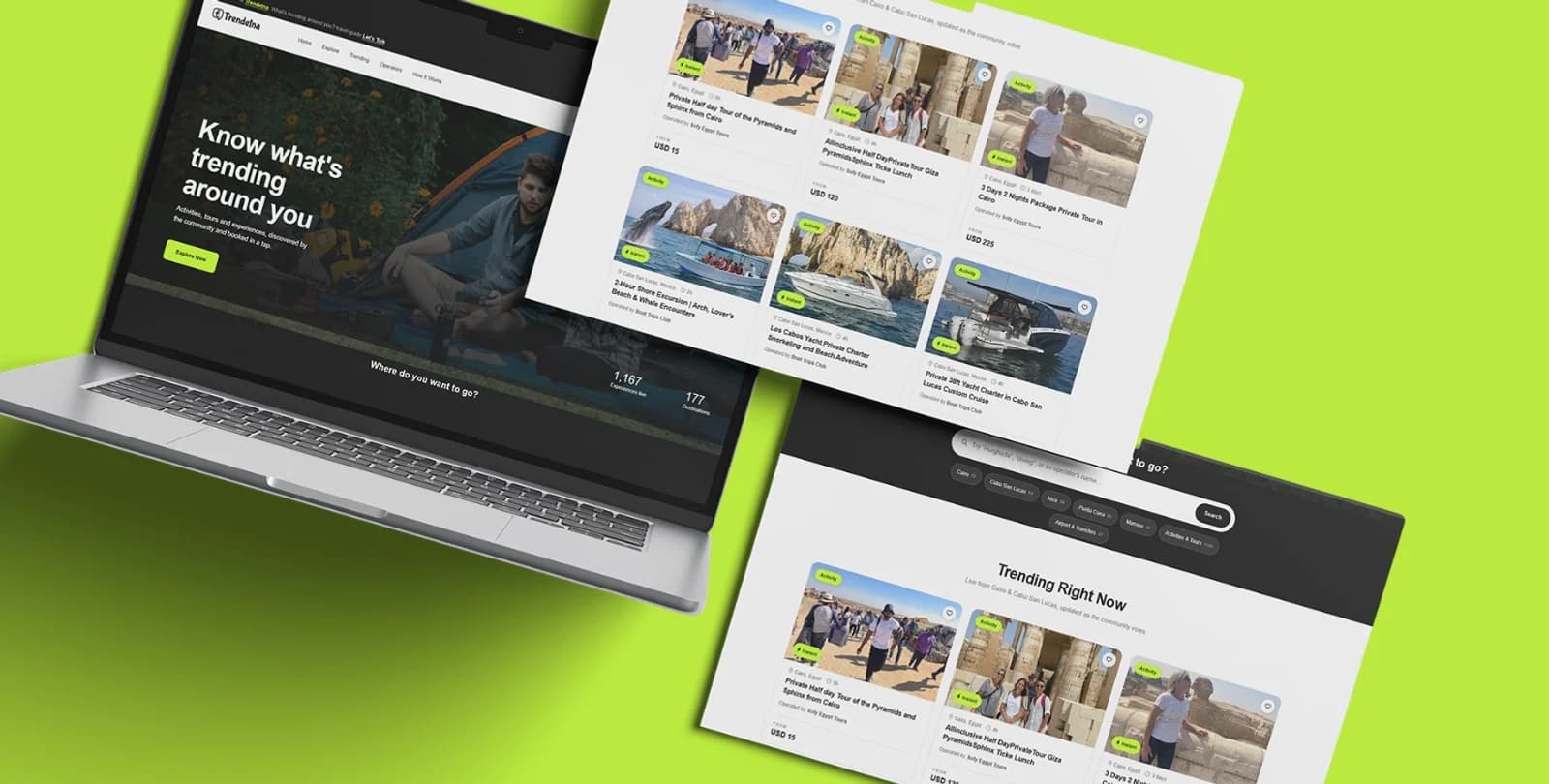
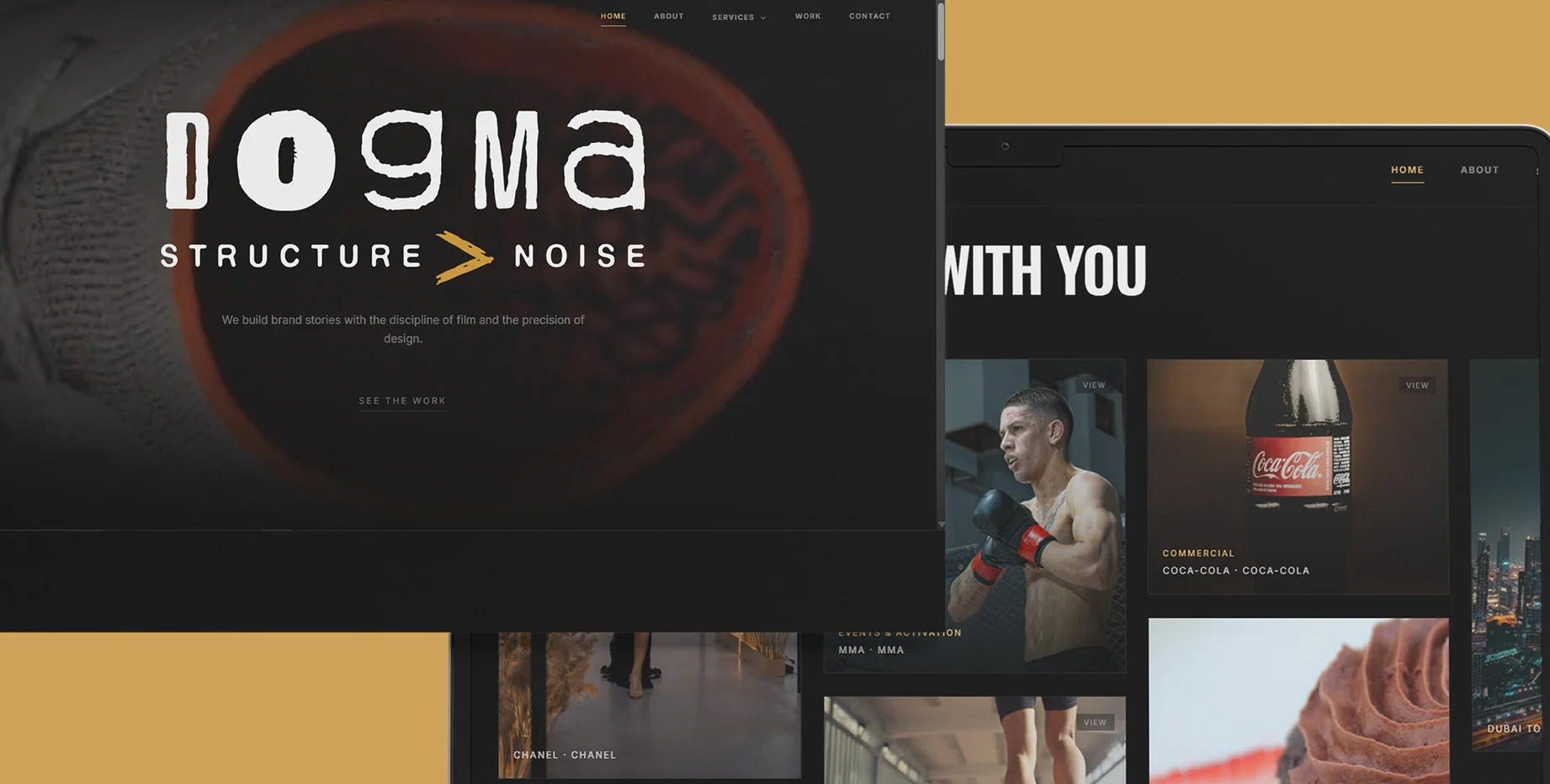
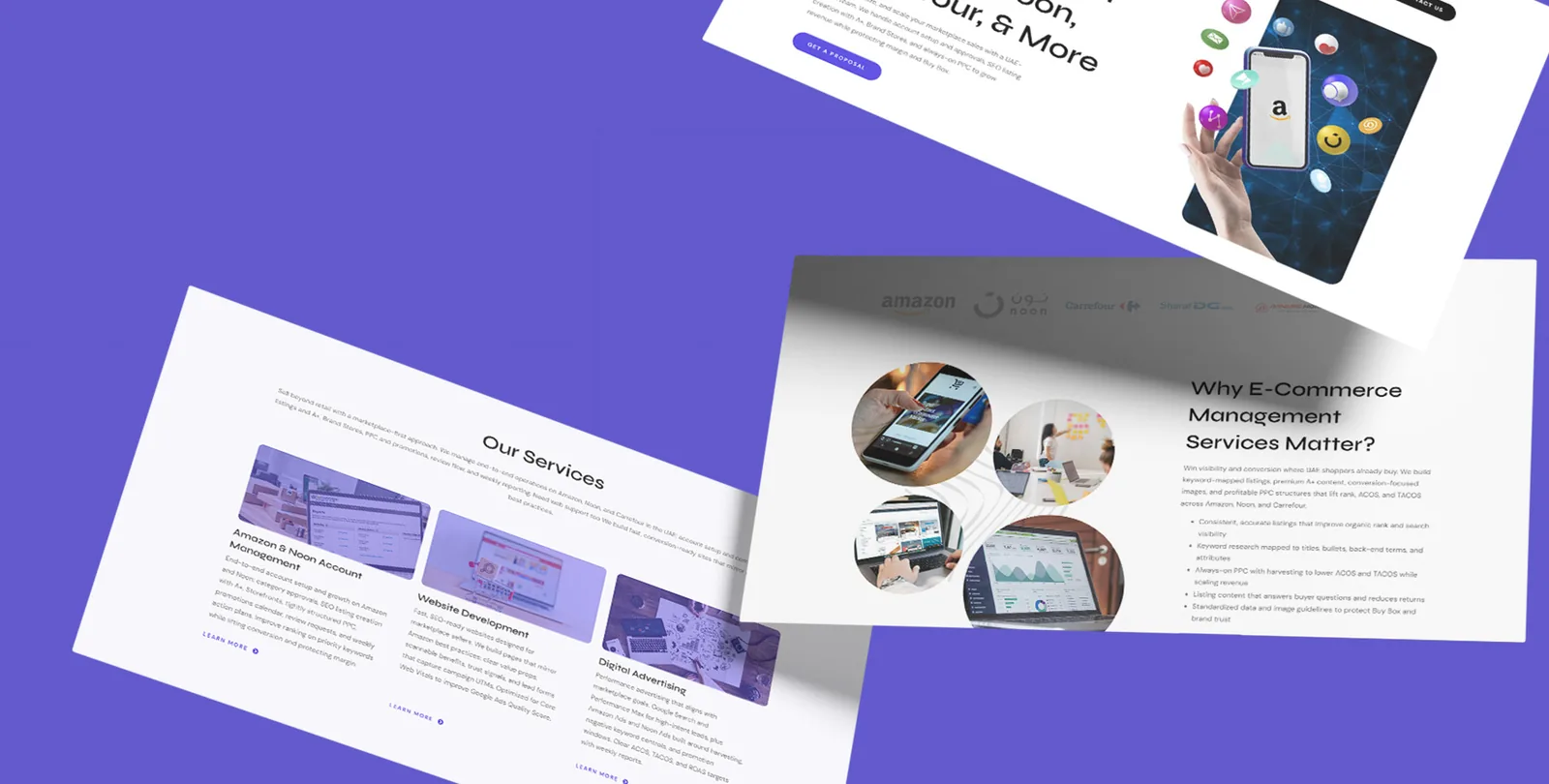
Cases from the public part of the record in this discipline. Open any of them for the brief, the build and the screens.
Reading
Further reading
What we have already written on this, and where the rest of the answer lives on this site.
Answers
Custom Web Development questions
The things clients ask before they sign. If yours is not here, ask us directly.
Do you take every project?
No. A senior engineer reads every brief and we accept the builds we can do well with the people we have. A problem an existing product already solves, a scope with no owner on your side, or a budget that cannot cover a proper build gets a straight no at the review, usually with the cheaper route named.
Who owns the code?
You do, entirely. The repositories, the infrastructure accounts, the database and the documentation are in your name from the start or handed over at launch. AVMDEVS keeps no licence, no lock-in and no right to reuse what was built for you. Another team could take it over tomorrow from the handover notes.
Should we build custom or use a SaaS product?
Rent it if a product does most of what you need and your process can bend to it. Build it if the process is the business, if the data must live somewhere specific, or if the rented tools have become a patchwork nobody trusts. We answer this at the review, in writing, and we have advised against a build more than once.
Node.js or Go for the backend?
Node.js delivers faster and fits most business platforms, portals and integrations. Go earns its place where throughput, concurrency or a long service life matter more than delivery speed, such as a booking engine under load or a system many other systems call. Both run on PostgreSQL, and we write the reason for the choice into the scope.
How long does a custom platform take?
A focused portal or internal tool usually runs three to five months from scope to launch, with the core flow working on staging in the first month. Marketplaces and multi-role platforms with several integrations run longer. The date in the scope is the one we hold ourselves to.
Can you take over a platform another team built?
Often, yes. It starts with a technical audit: the code, the infrastructure, the tests and the risks, written up so you can decide with your eyes open. Some platforms are worth stabilising and extending; some are cheaper to rebuild. We tell you which, and we have said both.
Next
Works well with
Most engagements combine two or three of these. They are built by the same team, so nothing has to be integrated after the fact.
- Website DevelopmentWe design and build custom websites and web apps that load fast, rank well, and convert.
- Mobile App DevelopmentWe build native-grade iOS and Android apps from first scope to a live release, with the backend, analytics, and release pipeline to match.
- Technical ConsultancyWe advise on architecture, technology choices, and engineering decisions, from a team that ships production software every day.
Submit a brief.
A lead reads every brief and replies within one business day with a yes, a no, or the questions we need answered before we can say.
Typical range for an accepted project in this category starts around $4,500. See ranges