
Engineering
Mobile app development company in Dubai and the GCC
AVMDEVS is a mobile app development company in Dubai and the wider GCC for businesses that need an app to run part of the operation: a customer app with payments and bookings, a field app for a team, or a product that is the business itself. You get the iOS and Android apps, the backend and APIs they run on, the store listings, and the code, all under one contract with one named lead.
We take on a limited number of app builds at a time. Every brief is read by a lead, and we decline the ones we cannot do well, which is how the ones we accept ship on the date we gave.
Scope
What you get
Fixed, written into the proposal, and the same list you will see on the invoice. Anything outside it gets quoted before it gets built.
- 01
iOS and Android apps
Native Swift and Kotlin where the app depends on the device, Flutter where one codebase serves both stores well. The choice is made in the review and written into the scope with the reason.
- 02
Product and UX
User flows, a clickable prototype and a UI that makes sense on the first open, tested with Arabic and English content before a screen is built.
- 03
Backend and APIs
The services, data model, authentication and admin your app depends on, built by the same team in Node.js or Go on PostgreSQL, hosted where your data has to live.
- 04
Payments and integrations
Stripe, N-Genius, Tap and PayMob card payments, Tabby and Tamara instalments, Apple Pay and Google Pay, plus the CRMs, maps, messaging and mail the app needs.
- 05
Store launch
App Store and Google Play listings, screenshots, privacy labels, review submission and the fixes that get an app through the first review.
- 06
Care after release
Monitoring, crash reports, OS updates and the small changes every live app needs, on a monthly retainer or as agreed work.
Method
How we work on this
Four steps, and what each one means for this kind of work.
Step 01
Brief: what the app has to do, and for whom
You send the brief through the form. We want the business goal, who opens the app and what they must be able to do in the first thirty seconds, the systems it has to talk to, and whether it needs to work offline or in Arabic.
Step 02
Review: a lead reads it and answers within one business day
The reply is a yes, a no, or the questions we need answered. A no comes with a reason. A yes comes with the two or three decisions that will shape the build, usually native against cross-platform and what the backend already owns.
Step 03
Scope: screens, stack, timeline and price, in writing
A written scope lists every screen and flow, the platform choice and why, the backend and integrations, the store accounts you need to open, and a fixed price and date. Anything outside it is quoted before it is built.
Step 04
Build: TestFlight and Play builds every week, then the stores
You get a build on your own phone in the first two weeks and every week after. Store submission, review notes and the first release are ours; the code, the store accounts and the signing keys are yours.
Region
Delivered in the Gulf
The specifics that decide whether a build works in the UAE and Saudi Arabia, handled as part of the scope rather than discovered after launch.
An app for the UAE or Saudi Arabia is built for Arabic from the first screen: a right-to-left layout that mirrors properly, Arabic type that sets correctly, and copy that fits both languages without truncation. Payments run on the rails buyers here expect, with N-Genius or Tap for cards, Tabby and Tamara for instalments, and Apple Pay and Google Pay on top.
For Saudi clients we place the backend on infrastructure that satisfies the Personal Data Protection Law, keep personal data inside the Kingdom where the regulator requires it, and write the privacy notice the PDPL asks for. For UAE clients we register the app's revenue correctly for VAT and issue tax invoices from the backend, not from a spreadsheet.
Store compliance for the region is part of the scope: developer accounts under your own entity, MENA storefront availability, age ratings, and the privacy labels and data-safety forms Apple and Google now reject apps over.
Investment
Pricing
Indicative ranges for accepted projects. Every quote is written against the scope agreed at the review.
An app build is priced against the written scope: the number of screens and flows, the platforms, the backend it needs and the integrations it talks to. Accepted projects in this category usually start around $2,350. See ranges →
Proof
Related work
Cases from the public part of the record in this discipline. Open any of them for the brief, the build and the screens.
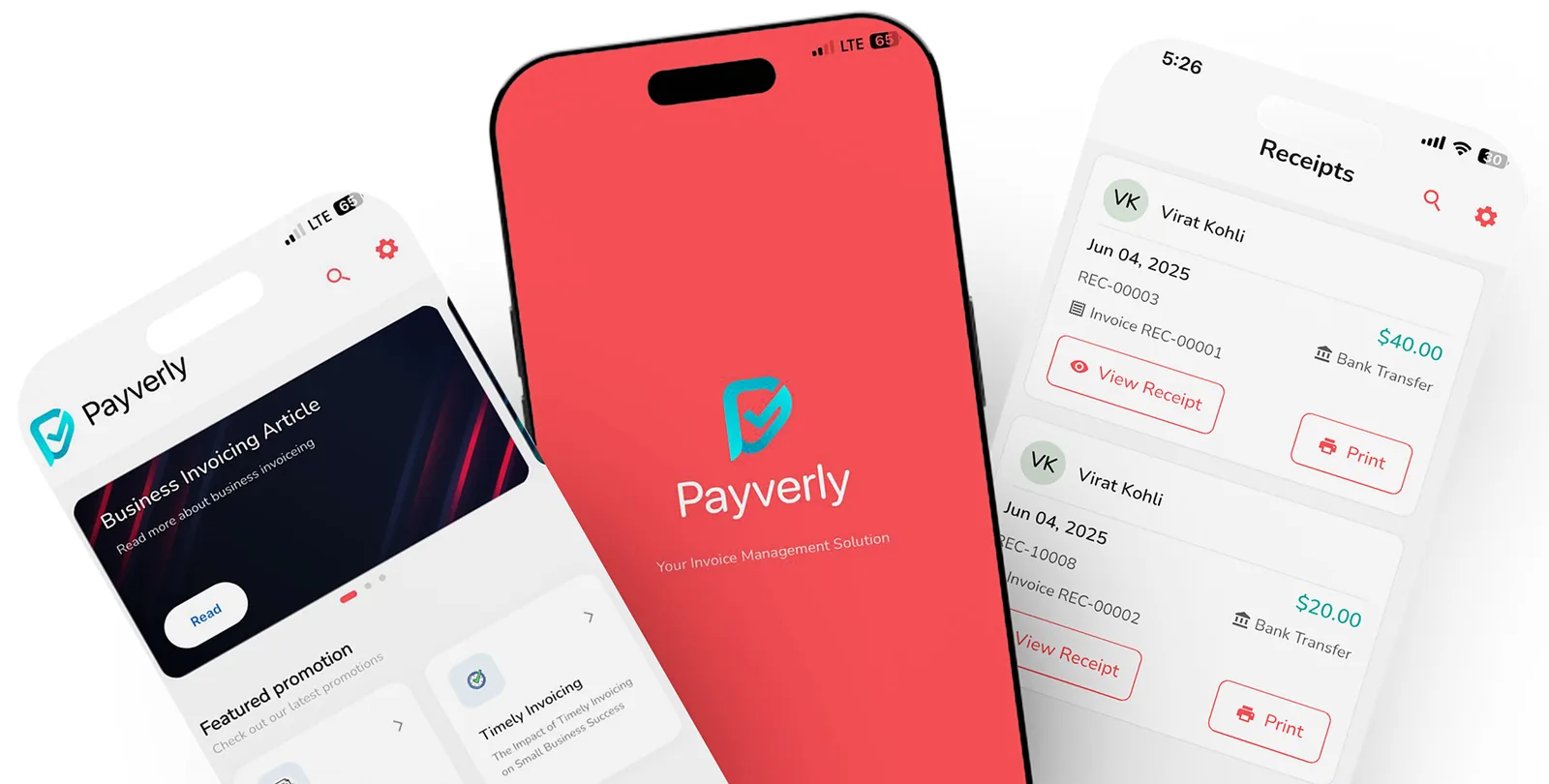
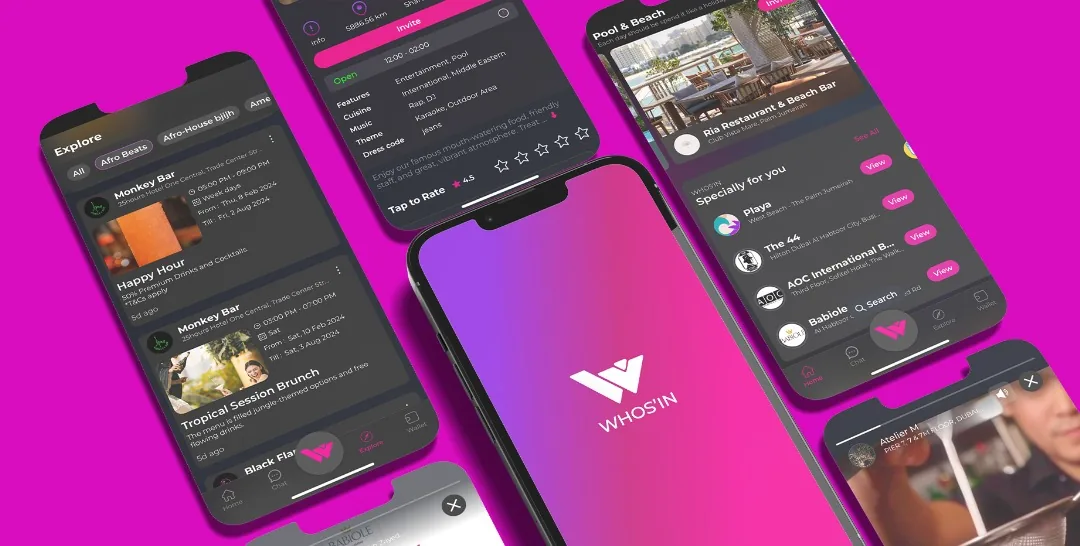
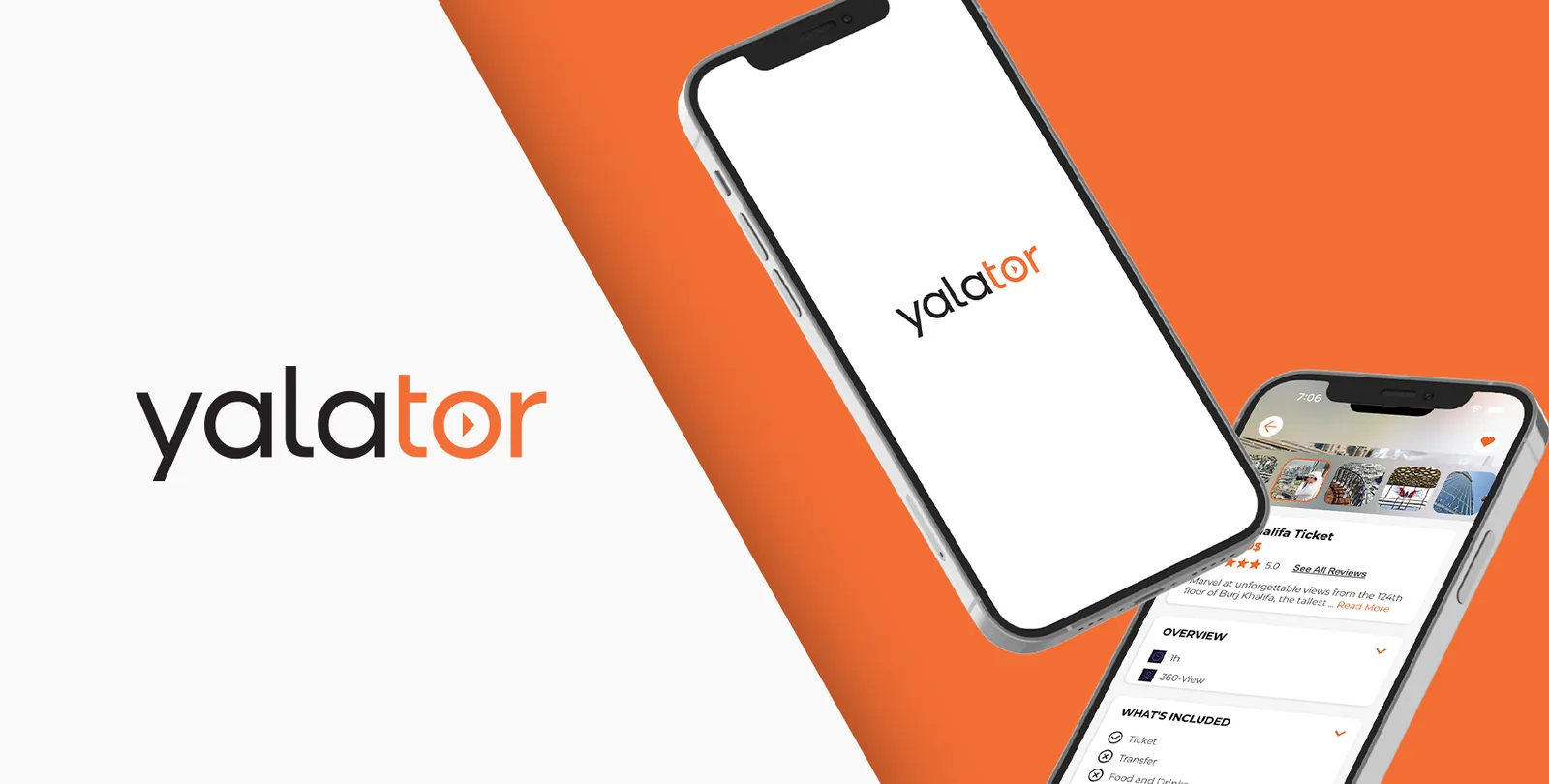
Reading
Further reading
What we have already written on this, and where the rest of the answer lives on this site.
Answers
Mobile App Development questions
The things clients ask before they sign. If yours is not here, ask us directly.
Do you take every project?
No. A lead reads every brief and we accept the ones we can do well with the people we have. An app that needs a discipline we do not practise, a budget that cannot cover a proper build, or a timeline that only a corner-cutting team could meet gets a polite no with a reason, usually within one business day.
Who owns the code?
You do, entirely. The repositories, the backend, the store accounts and the signing keys are in your name from the start or handed over at release, with documentation for whoever maintains the app after us. AVMDEVS keeps no licence, no lock-in and no right to reuse your product.
Native or Flutter: which should my app be?
It depends on what the app leans on. Camera, Bluetooth, background location, payments in a wallet or heavy animation tend to favour native Swift and Kotlin. A business app with forms, lists, payments and notifications is usually better served by one Flutter codebase that ships to both stores. We make the call in the review and write the reason into the scope.
How long does an app take to build?
A focused app with a backend usually takes three to five months from scope to the stores, with a build on your phone in the first two weeks. Larger products with vendor portals, live tracking or several user roles run longer. The date in the scope is the one we hold ourselves to.
Can you build the backend, or do we need another vendor?
We build it. Most app failures we are asked to rescue come from an app and a backend built by two teams that never met. Our apps ship with their own API, database, authentication and admin, built by the same team, so nothing has to be integrated after the fact.
Do you handle App Store and Google Play submission?
Yes, including the parts that usually cause rejections: privacy labels, data-safety forms, sign-in requirements, in-app purchase rules and MENA storefront availability. We submit under your developer accounts, answer the review notes and stay on it until the app is live.
Next
Works well with
Most engagements combine two or three of these. They are built by the same team, so nothing has to be integrated after the fact.
- Custom Web DevelopmentCustom websites, portals and platforms engineered from scratch: Next.js on the front, Node.js or Go on the back, PostgreSQL underneath.
- Website DevelopmentWe design and build custom websites and web apps that load fast, rank well, and convert.
- Tourism & Booking PlatformsOur specialty.
Submit a brief.
A lead reads every brief and replies within one business day with a yes, a no, or the questions we need answered before we can say.
Already delivered: Consumer apps shipped to the App Store and Google Play for GCC marketplaces (WHOS'IN, 7Nights).
Typical range for an accepted project in this category starts around $2,350. See ranges