
Engineering
Dashboard and reporting development for companies that run on numbers
AVMDEVS provides dashboard development services for companies in the Gulf whose numbers live in four places at once: the accounting package, the CRM, the online store, the operations sheet and the bank statement. You get one screen per audience, fed from your own systems on a schedule, with every figure traceable to the record it came from, in Arabic and English.
We take on a limited number of data projects at a time, because a dashboard is only worth building when someone will act on it. A lead reads every brief and says no when the honest answer is a report in the system you already own.
Scope
What you get
Fixed, written into the proposal, and the same list you will see on the invoice. Anything outside it gets quoted before it gets built.
- 01
The data layer first
Connectors to the systems that hold the truth, a warehouse schema in PostgreSQL, scheduled syncs and a written note for every figure saying which system it comes from and when it was last refreshed.
- 02
One screen per audience
A board view that fits on one page, an operations view that is worked in daily, and a branch or project view that only shows what its owner is accountable for. The same numbers, cut three ways, not three dashboards nobody trusts.
- 03
KPIs with definitions attached
Each figure carries its own definition, period and source in the interface, so a question about a number is answered on the screen rather than in a meeting. Targets and variances where the business sets them.
- 04
Reports that send themselves
The weekly and monthly packs as PDF or Excel, generated from the same data the screen uses and mailed on a schedule to the people who will never open a login, with a link back for the ones who will.
- 05
Arabic and English, right to left
Both languages in the same build: mirrored layout, Arabic typography that sets correctly, numerals and dates in the convention the reader expects, and exports that keep the language they were run in.
- 06
Access, roles and audit
Single sign on against the directory you already use, roles that decide which rows and which columns a person sees, and an audit trail of who looked at what. Finance data belongs behind a permission, not behind a password shared in a chat.
Method
How we work on this
Four steps, and what each one means for this kind of work.
Step 01
Brief: the decisions, not the charts
You send the brief through the form. We want the decisions this screen has to support, who takes them, how often, and which systems hold the data today. A list of charts is the output of the review, never its input.
Step 02
Review: a lead reads it and answers within one business day
The reply is a yes, a no, or the questions we need answered. A no comes with a reason, and sometimes with the report your existing system can already produce for nothing. A yes names the three figures the first version will carry.
Step 03
Scope: sources, figures, screens and price, in writing
A written scope lists every source system and how we will read it, every figure with its definition, every screen and role, the refresh schedule, and a fixed price and date. Anything outside it is quoted before it is built.
Step 04
Build: the first screen early, then the rest
The first version carries the few figures that matter and goes in front of the people who asked for it within weeks, because a dashboard is judged in use. The remaining views follow on the agreed schedule, each one reconciled against the source before it is signed off.
Region
Delivered in the Gulf
The specifics that decide whether a build works in the UAE and Saudi Arabia, handled as part of the scope rather than discovered after launch.
A Gulf reporting pack has to survive two tax authorities and two languages. We build the VAT and e-invoicing figures so they reconcile to what was actually filed, in the UAE and under ZATCA in Saudi Arabia, rather than to a spreadsheet that drifted from the filing in month three. Multi-currency is handled at the source: AED, SAR, QAR and USD each kept at the rate of record, converted once, labelled with the rate used.
Most of the systems we read here are the ones Gulf businesses actually run: Odoo, Zoho, QuickBooks, Xero, Tally and SAP Business One for finance, Shopify, Salla and WooCommerce for sales, plus whatever the operations team keeps in Google Sheets and will not give up. Where an ERP has no usable API we read its database or its exports on a schedule, and we say which one we are doing.
Data residency is part of the scope, not an afterthought. Saudi personal data stays in the Kingdom where the Personal Data Protection Law requires it, UAE data is hosted where the contract says, and the audit trail is built in so an internal auditor can see who read which figures. The AVMDEVS OS, the client desktop this studio runs its own work on, is the same discipline applied to our side of the relationship.
Investment
Pricing
Indicative ranges for accepted projects. Every quote is written against the scope agreed at the review.
A dashboard is priced against the written scope: how many source systems have to be read, how clean they are, how many figures and views the business needs, and whether the data has to stay in a particular country. See ranges →
Proof
Related work
Cases from the public part of the record in this discipline. Open any of them for the brief, the build and the screens.
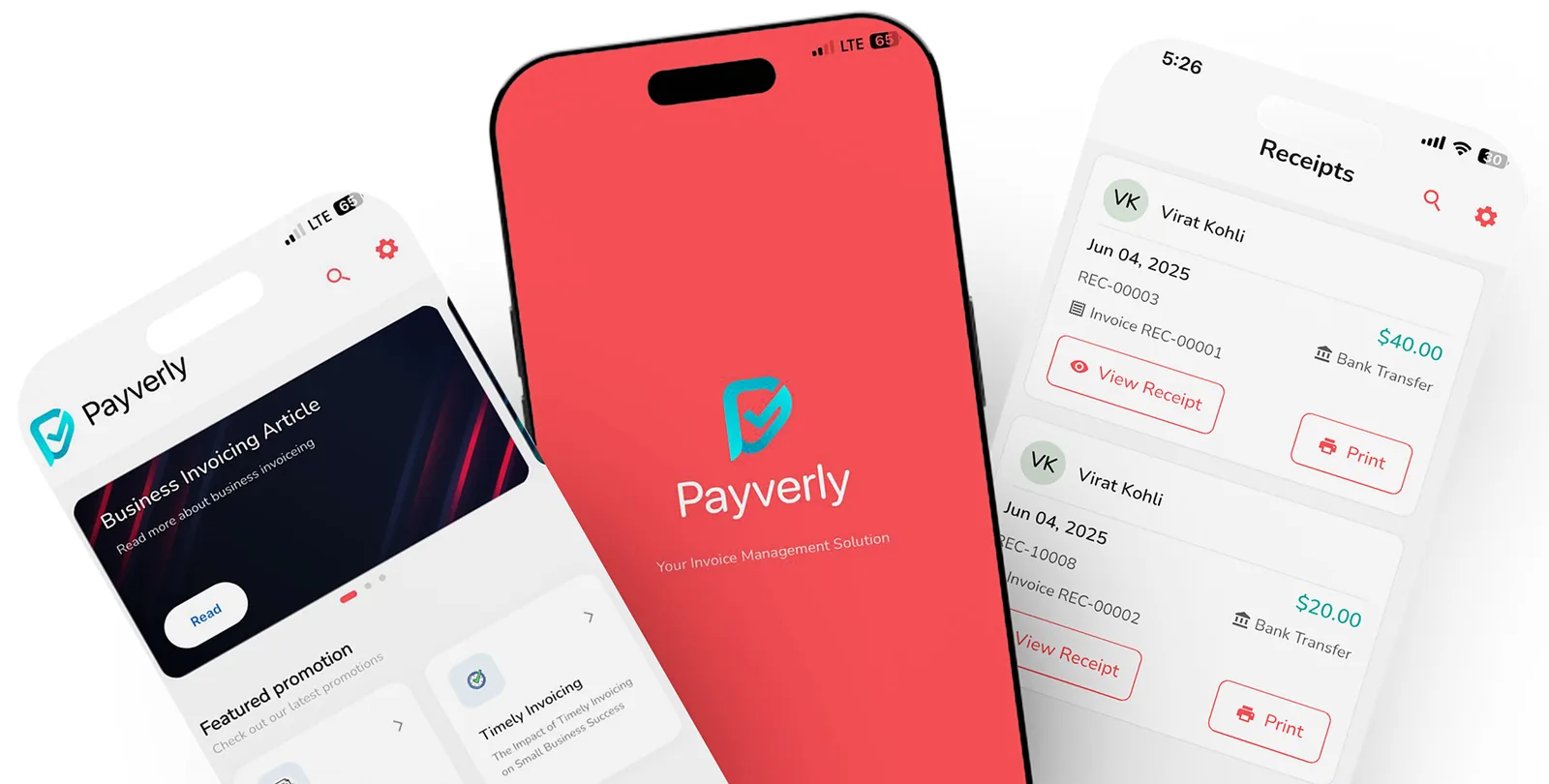
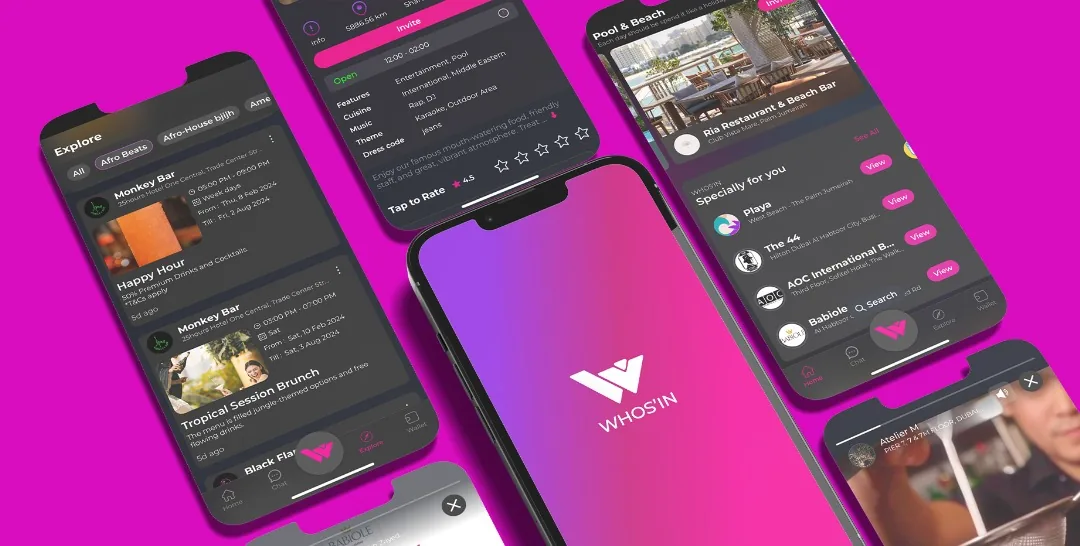
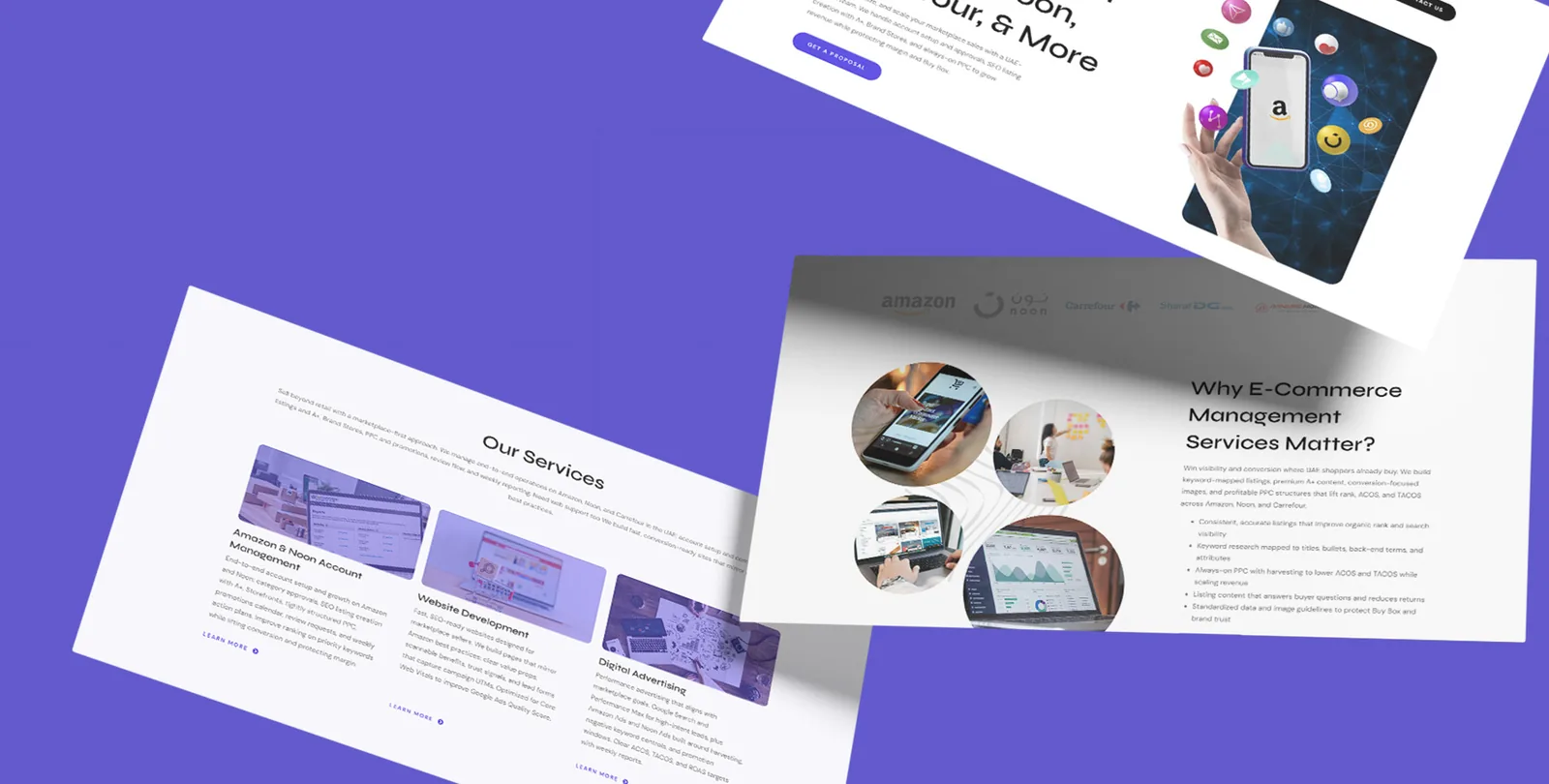
Reading
Further reading
What we have already written on this, and where the rest of the answer lives on this site.
- How AI-Powered Dashboards Are Replacing Traditional Marketing Reports in 2026
- Analytics That Answer Business Questions Instead of Producing Charts
- ERP Software in the UAE: A Buyer's Guide That Starts With Your Data
- The AVMDEVS OS, the client desktop we run on this discipline
- Technical consultancy, when the question is which system to fix first
Answers
Dashboards & Reporting questions
The things clients ask before they sign. If yours is not here, ask us directly.
What is the difference between a dashboard and a report?
A report answers a question that was asked once, at a point in time, and is read and filed. A dashboard answers the same question every day without being asked, and is worked in: filters, periods, drill-downs and a figure that changes when the business does. Most companies need both, which is why the packs are generated from the same data the screen uses.
Can it read from our ERP or accounting system?
Usually yes. Odoo, Zoho, QuickBooks, Xero, Tally and SAP Business One all expose an API or a database we can read on a schedule, and the same is true of Shopify, Salla and most CRMs. Where a system is genuinely closed we work from its scheduled exports instead and say so in the scope, so nobody is told a figure is live when it is a nightly file.
How do you handle Arabic and RTL?
Both languages are built at the same time, not translated afterwards. The layout mirrors properly, Arabic type is set with a face that carries numerals and diacritics correctly, dates and currencies follow the convention of the language in use, and an export keeps the language it was run in. Charts are checked in Arabic before sign off, because that is where mirrored axes and clipped labels show up.
What does a dashboard project cost?
It is quoted against the scope rather than listed, because the work is in the sources and not in the charts. Two source systems with clean data and three views is a small project; eleven systems, a legacy ERP and a residency requirement is not. The review gives you the figure and the date in writing before anything is built. Ranges are on the pricing page.
Who owns the code and the data?
You do, both. The repository, the warehouse, the credentials and the hosting are in your name, and the data never leaves your infrastructure unless the scope says it must. AVMDEVS keeps no copy of your figures, no licence over the build and no lock-in: another team can take it over with the documentation we hand you.
How long does a first version take?
Weeks rather than months for the first screen, once access to the source systems exists. Getting that access, and finding out that two systems disagree about the same number, is usually the longest part, which is why the scope names the sources and the owner of each one before the build starts.
Do you take every project?
No. A lead reads every brief and we accept the ones we can do well with the people we have. A dashboard nobody will act on, a data set too thin to carry the question being asked, or a timeline that only a corner-cutting build could meet gets a polite no with a reason, usually within one business day.
Who owns the code?
You do, entirely. Repositories, infrastructure accounts and credentials are in your name from the first week, and the handover notes are written as the build goes rather than at the end. Nothing switches off if the engagement ends.
Next
Works well with
Most engagements combine two or three of these. They are built by the same team, so nothing has to be integrated after the fact.
- Custom Web DevelopmentCustom websites, portals and platforms engineered from scratch: Next.js on the front, Node.js or Go on the back, PostgreSQL underneath.
- Technical ConsultancyWe advise on architecture, technology choices, and engineering decisions, from a team that ships production software every day.
- Online StoresAn online store on Shopify, WooCommerce, Zid or Salla, with products, payments and shipping set up, tested and ready to take orders.
Submit a brief.
A lead reads every brief and replies within one business day with a yes, a no, or the questions we need answered before we can say.