
Engineering
Custom POS and retail system development for UAE and GCC retailers
AVMDEVS is a custom POS development company for retailers in the UAE and the wider GCC who have outgrown the till they started with: several branches that each count stock differently, a VAT return assembled by hand, an online store whose inventory is a second version of the truth. You get the point of sale, the stock and the back office as one system, built on your own catalogue and your own prices.
We take a limited number of retail builds at a time, and we say no when an off the shelf product would serve you better. A single shop with one till and no integrations does not need a custom build, and a lead will tell you that in the review rather than after the invoice.
Scope
What you get
Fixed, written into the proposal, and the same list you will see on the invoice. Anything outside it gets quoted before it gets built.
- 01
A till that works on the shop floor
A web point of sale that runs on a tablet, a laptop or a terminal, fast enough for a queue, usable with a barcode scanner and a receipt printer, with a keyboard flow a cashier learns in an afternoon.
- 02
Offline first
Sales continue when the line drops. Transactions are held on the device, reconciled when the connection returns, and the till tells the cashier plainly which state it is in rather than failing silently at the counter.
- 03
Inventory across branches
One catalogue, stock per location, transfers between branches, purchase orders and goods received, stock counts that reconcile rather than overwrite, and low stock warnings where someone can act on them.
- 04
VAT invoicing that files correctly
Tax invoices in the format the authority expects, with the TRN, the tax breakdown and sequential numbering, in Arabic and English, plus the reports the accountant needs at the end of the period.
- 05
Payments and terminals
Card payments through the terminals already on the counter, wallets where the acquirer supports them, split payments, refunds and partial returns, and a daily cash up that matches the settlement file.
- 06
The online store, same stock
Two way sync with Shopify, Salla or the store we build, so an item sold in the shop cannot be sold again online. Orders, prices, customers and stock stay in one place with one owner.
Method
How we work on this
Four steps, and what each one means for this kind of work.
Step 01
Brief: the counter, the stock and the branches
You send the brief through the form. We want the number of branches and tills, what a busy hour looks like, how stock moves between locations today, which accounting system has to be fed, and whether the shop sells online.
Step 02
Review: a lead reads it and answers within one business day
The reply is a yes, a no, or the questions we need answered. A no often means a product like Shopify POS or Odoo would cover you for a fraction of the cost, and we say which one. A yes names what we would build and what we would buy.
Step 03
Scope: flows, hardware, integrations and price, in writing
A written scope lists every flow at the counter, the hardware it has to drive, the integrations with the store and the accounts system, the offline behaviour, the training, and a fixed price and date.
Step 04
Build: one branch first, then the rest
The system goes live in one branch with its real catalogue and real staff, and we stand behind the counter for the first days. Only once that branch runs a full week without a workaround do the others follow.
Region
Delivered in the Gulf
The specifics that decide whether a build works in the UAE and Saudi Arabia, handled as part of the scope rather than discovered after launch.
A UAE retailer has to issue a tax invoice that carries the TRN, the VAT breakdown and a sequential number, in a form the Federal Tax Authority accepts, and has to keep the records behind it. We build that into the till rather than bolting it on: the invoice the customer takes away is the same document the accountant files from, and the period reports come out of the same data.
In Saudi Arabia the bar is higher. ZATCA e-invoicing requires the invoice itself to be generated, signed and reported in the formats the authority specifies, with QR codes on the simplified invoices a shop issues. A till built for the Kingdom has to speak to a compliant solution provider, and the scope says which one and who owns the certificate.
Retail here is bilingual and multi-branch by default. Product names, receipts and screens exist in Arabic and English, a branch in Dubai and a branch in Riyadh keep their own stock and their own currency, and a group that operates in both reads one consolidated figure without anyone retyping it. Payment terminals, scanners and printers are chosen from what is actually serviceable in this market, not from a catalogue written elsewhere.
Investment
Pricing
Indicative ranges for accepted projects. Every quote is written against the scope agreed at the review.
A retail build is priced against the written scope: the number of branches and tills, the hardware it has to drive, the integrations with the store and the accounts system, and whether e-invoicing compliance is in scope. See ranges →
Proof
Related work
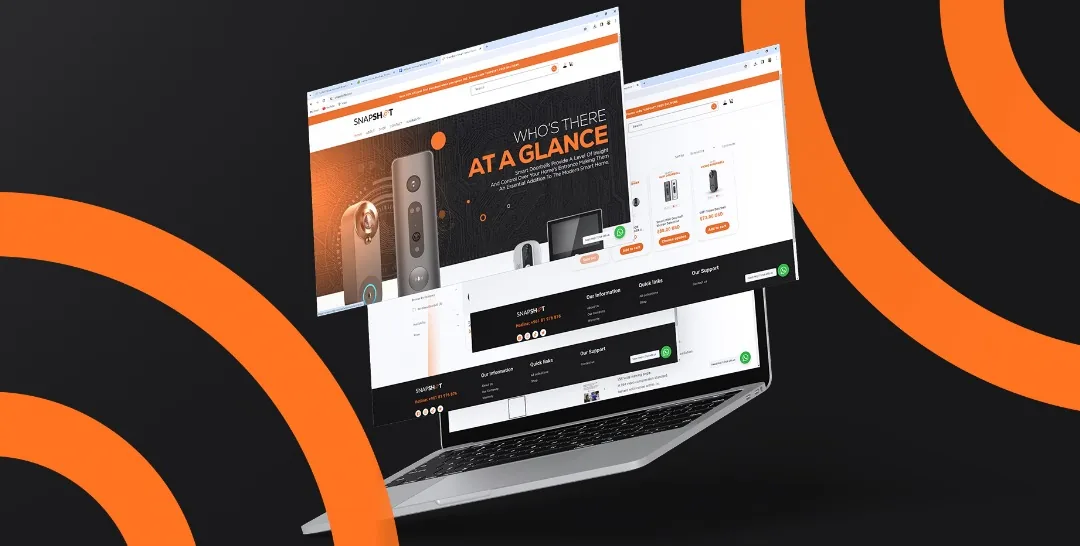
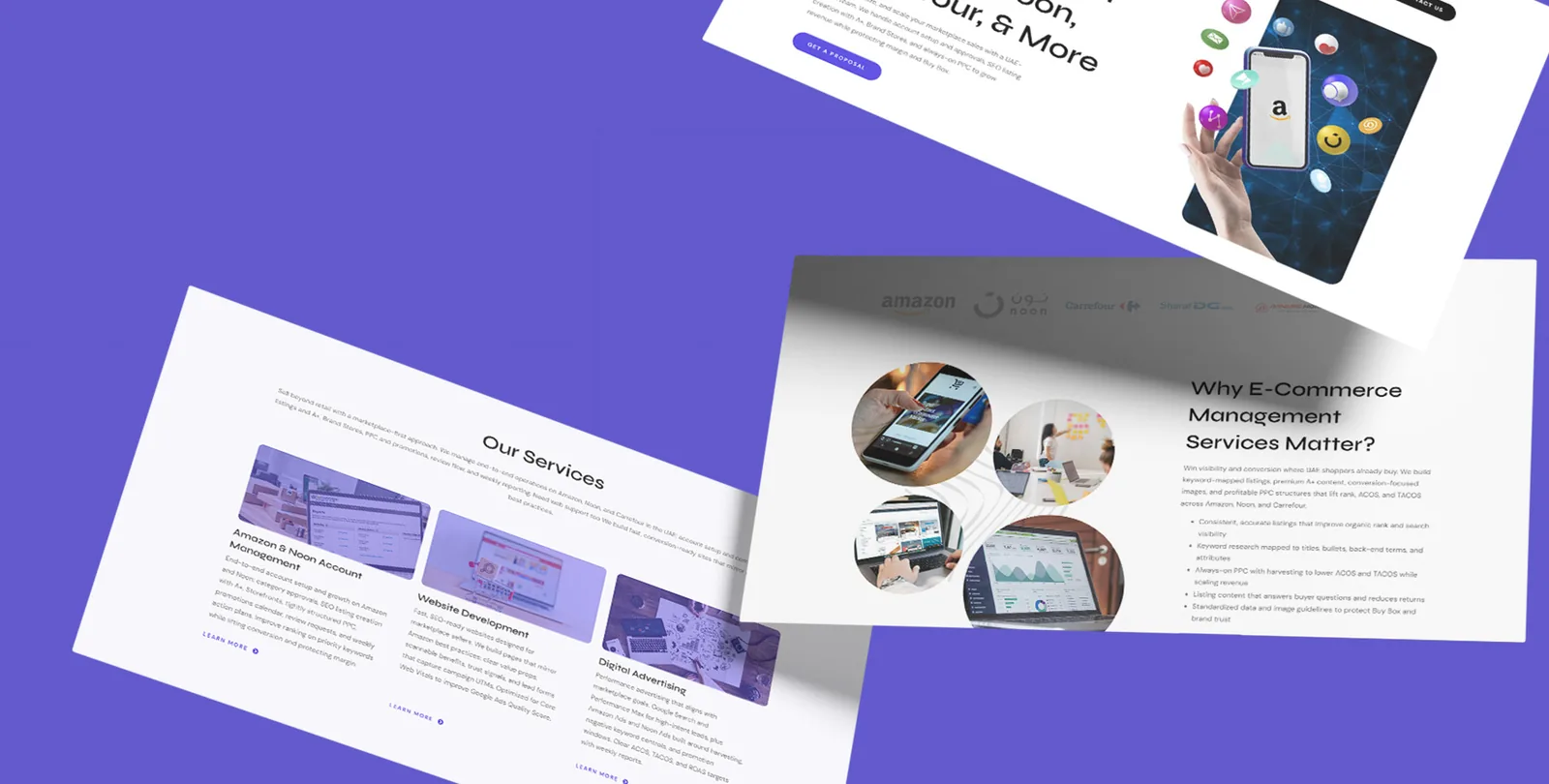
Cases from the public part of the record in this discipline. Open any of them for the brief, the build and the screens.

Reading
Further reading
What we have already written on this, and where the rest of the answer lives on this site.
Answers
POS & Retail Systems questions
The things clients ask before they sign. If yours is not here, ask us directly.
Custom POS or off the shelf, which one?
Off the shelf wins more often than a studio is supposed to admit. If you sell standard products from a few tills and need stock and receipts, Shopify POS, Odoo or a local product will cost less and work on Monday. A custom build earns its price when the way you sell is the business: unusual pricing rules, serial or warranty tracking, service work alongside retail, a franchise model, or an integration no product supports.
Does it work offline?
Yes. The till holds the catalogue and prices locally, keeps selling when the connection drops, queues the transactions and reconciles them when the line returns. The screen says which mode it is in, because the dangerous version of offline is the one the cashier cannot see. Card payments still depend on the terminal and the acquirer being reachable.
Can it issue UAE VAT compliant invoices?
Yes. The invoice carries the TRN, the tax breakdown per line, the total in AED and a sequential number, in Arabic and English, and the same records produce the period reports the accountant files from. Where the business is also registered in Saudi Arabia, ZATCA e-invoicing is handled through a compliant provider named in the scope.
Does it connect to our online store?
Yes, in both directions. Shopify, Salla and the stores we build share one catalogue and one stock figure with the till, so an item sold at the counter stops being available online within moments and an online order can be fulfilled from a branch. Customers and prices stay in one place rather than being kept twice.
What hardware is supported?
The hardware already on your counter, as a rule: USB and Bluetooth barcode scanners, thermal receipt printers, cash drawers, label printers and the card terminals your acquirer supplies. The till runs in a browser on a tablet, a laptop or a Windows terminal, so a branch can be opened with equipment bought locally and serviced locally.
What does a POS build cost?
It is quoted against the scope, because the price follows the number of branches, the hardware and the integrations rather than the number of screens. The review tells you in writing what it will cost and when it will be ready, and if an off the shelf product would do the job the review says that instead. Ranges are on the pricing page.
Do you take every project?
No. A lead reads every brief and we accept the ones we can do well with the people we have. A shop that a standard product would serve, a budget that cannot cover a system people will stand behind all day, or a go live date that leaves no time to run one branch first gets a polite no with a reason.
Who owns the code?
You do, entirely. The repository, the database, the hosting and the integration credentials are in your name, and the handover notes are written as the build goes. Nothing switches off if the engagement ends, and another team can take it over.
Next
Works well with
Most engagements combine two or three of these. They are built by the same team, so nothing has to be integrated after the fact.
- Online StoresAn online store on Shopify, WooCommerce, Zid or Salla, with products, payments and shipping set up, tested and ready to take orders.
- Payment Gateway IntegrationWe integrate payment gateways into websites, stores, apps and back offices across the UAE and the GCC: the checkout your acquirer will certify, the webhooks that keep orders and settlements in agreement, and the refunds, captures and reconciliation that decide whether finance trusts the system in month three.
- Custom Web DevelopmentCustom websites, portals and platforms engineered from scratch: Next.js on the front, Node.js or Go on the back, PostgreSQL underneath.
Submit a brief.
A lead reads every brief and replies within one business day with a yes, a no, or the questions we need answered before we can say.