
Engineering
Web development company in Dubai and the GCC for sites that have a job to do
AVMDEVS is a web development company in Dubai and the wider GCC for businesses whose website has to earn something: enquiries for a B2B firm, bookings for a clinic or a school, sign-ups for a product, or the credibility a Saudi buyer checks before a first call. You get a custom design on your brand, a build on Next.js with a CMS your team can edit, Arabic and English if you sell in both, and the code.
We take on a limited number of website builds at a time and every brief is read by a lead. A site that only needs a template, or a budget that cannot cover a proper build, gets an honest no at the review rather than a thin yes.
Scope
What you get
Fixed, written into the proposal, and the same list you will see on the invoice. Anything outside it gets quoted before it gets built.
- 01
Custom design and build
A bespoke interface on a modern stack, designed against your brand and tested with real content, not a theme with the logo swapped.
- 02
Arabic and English
A right-to-left layout that mirrors properly, Arabic type that sets correctly, hreflang between the language pairs, and copy an editor has read in both.
- 03
Fast on a phone
Core Web Vitals inside the thresholds on real devices over real mobile networks, checked before launch rather than promised for after.
- 04
SEO-ready foundation
Clean markup, metadata, structured data, a sitemap and redirects from every old URL, shipped in the build so the site can rank from day one.
- 05
CMS and integrations
Editable pages, a form that reaches your CRM, booking or payment where the site needs it, and analytics with consent handled properly.
- 06
Handover and care
The repository, the CMS, hosting access and documentation, then care on a monthly retainer if you want someone watching it.
Method
How we work on this
Four steps, and what each one means for this kind of work.
Step 01
Brief: what the site has to earn
You send the brief with the business, the audience, the pages you know you need, the languages, and what a visitor should do before leaving. A current site and its analytics help; a competitor you respect helps more.
Step 02
Review: a lead replies within one business day
The reply is a yes, a no with a reason, or the questions we need answered. A yes comes with a proposed sitemap in outline and the two or three decisions that will shape the build: CMS, languages, and what the site integrates with.
Step 03
Scope: sitemap, design system, stack, date and price
A written scope names every page, the design deliverables, the CMS and integrations, the content you supply and the content we write, a fixed price and a launch date. Anything outside it is quoted before it is built.
Step 04
Build: a staging link in the first two weeks
Design system and prototype first, approved before production code. Then a staging link you can open from the first fortnight and every week after, real content in place, a QA and speed pass, and launch with redirects and search submission done.
Region
Delivered in the Gulf
The specifics that decide whether a build works in the UAE and Saudi Arabia, handled as part of the scope rather than discovered after launch.
A website for the UAE or Saudi Arabia is built for two reading directions from the first wireframe. Right-to-left layouts are mirrored rather than flipped, Arabic type is set with its own sizes and line heights, and the two language versions are linked with hreflang so each ranks in its own market.
For a web development company in Saudi Arabia the specifics are the PDPL: consent for analytics, a privacy notice in the form the regulator expects, and hosting that keeps personal data where the law requires. In the UAE we set up VAT-correct invoicing where the site sells, and forms that satisfy the consent rules of the Data Protection Law.
Where the site takes money, we wire the rails buyers here trust: N-Genius, Tap or Stripe for cards, Tabby and Tamara for instalments. Where it takes bookings, it connects to the calendar or the booking engine the business already runs, rather than adding another inbox.
Investment
Pricing
Indicative ranges for accepted projects. Every quote is written against the scope agreed at the review.
A website is priced against the written scope: the number of pages and templates, the languages, the CMS, the integrations and the content we write. Accepted projects in this category usually start around $750. See ranges →
Proof
Related work
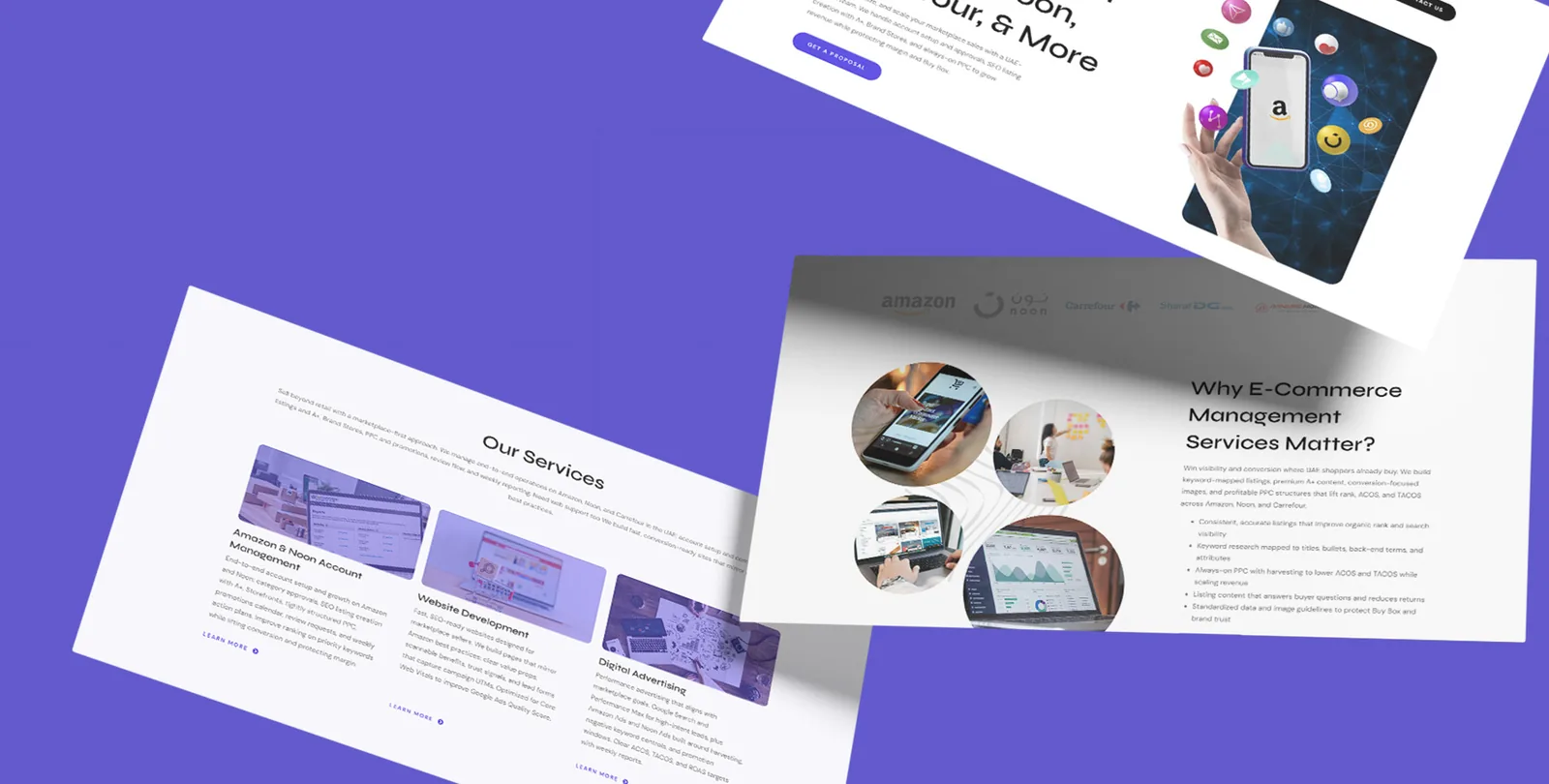
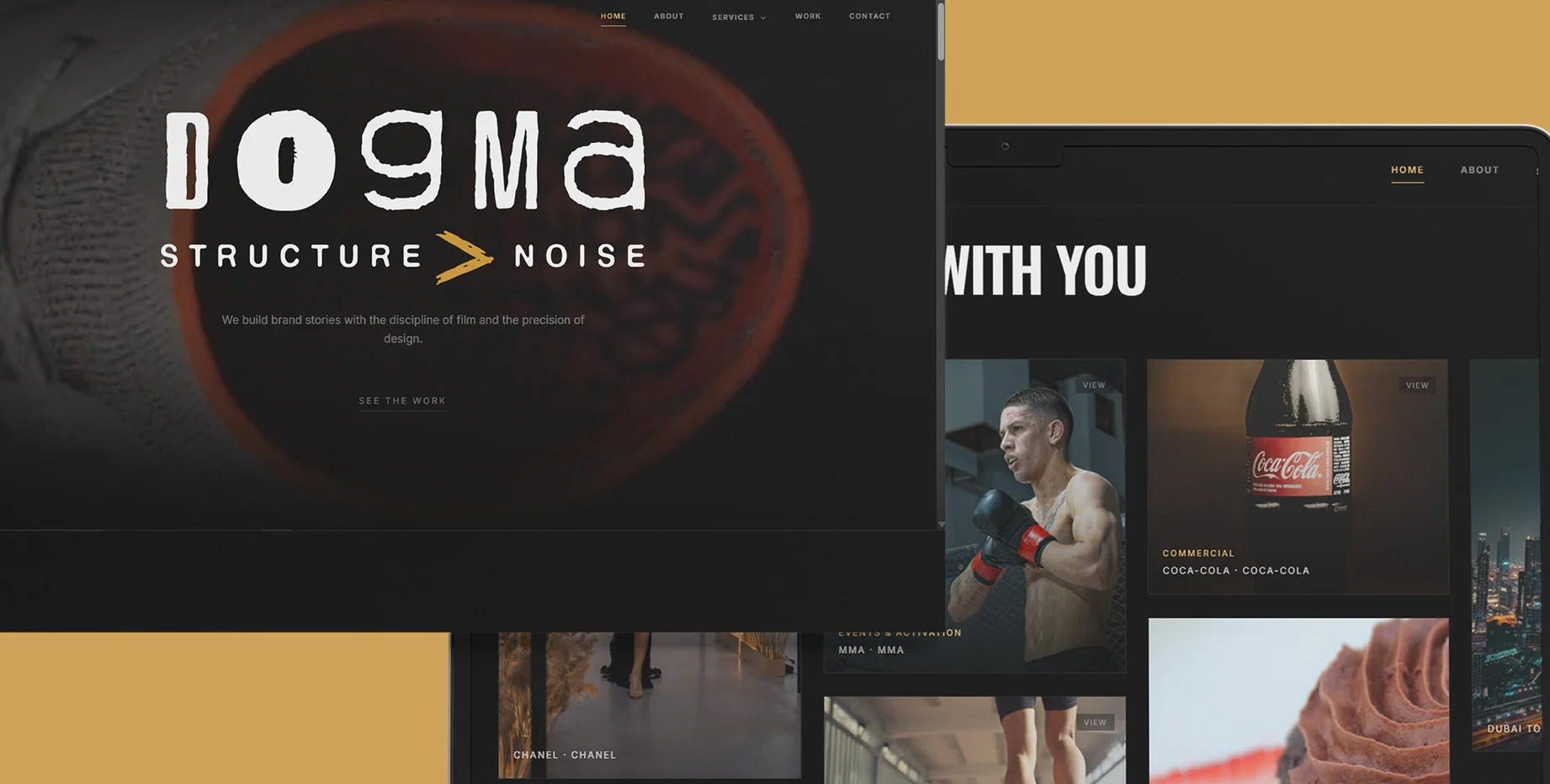
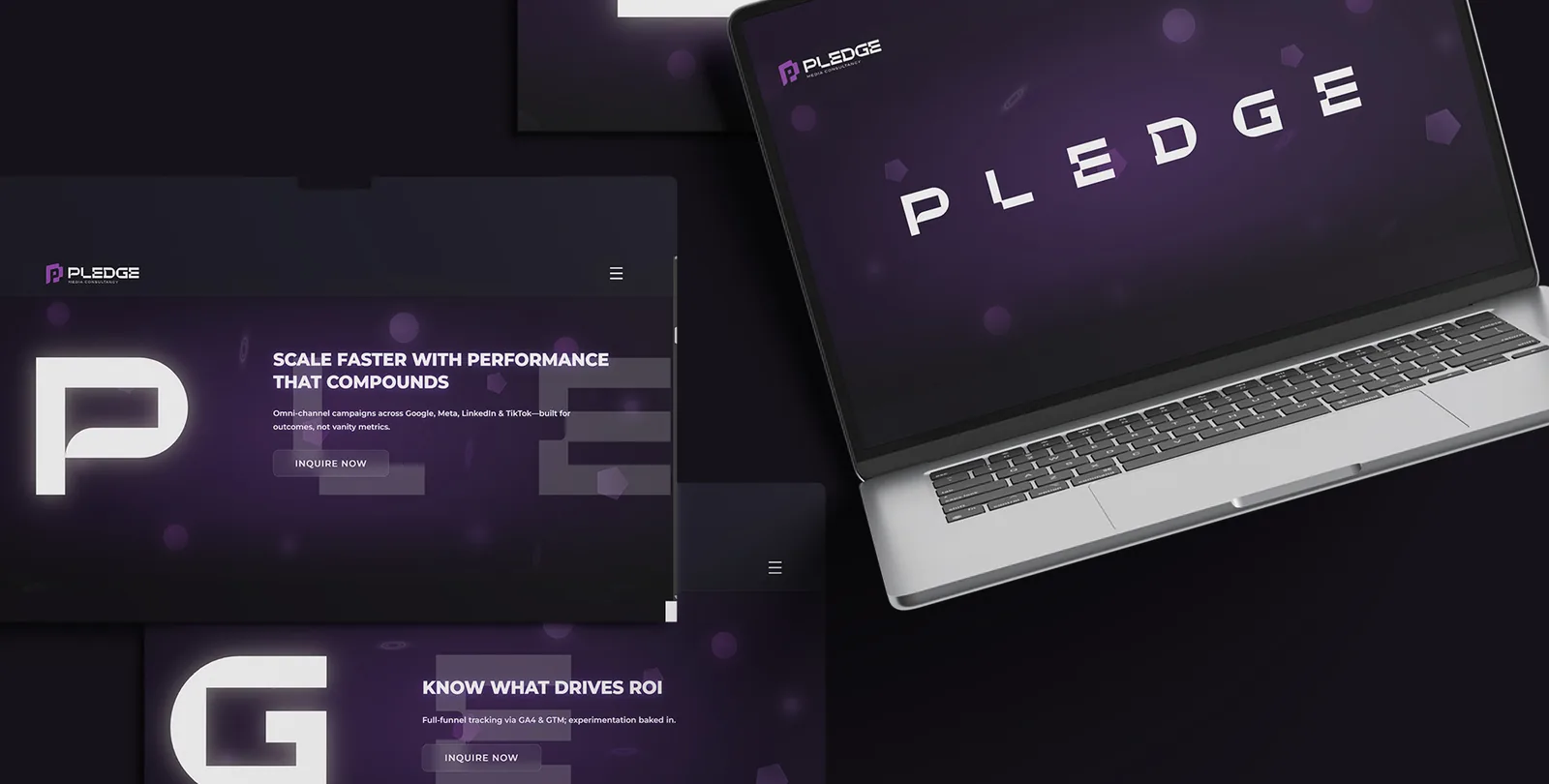
Cases from the public part of the record in this discipline. Open any of them for the brief, the build and the screens.
Answers
Website Development questions
The things clients ask before they sign. If yours is not here, ask us directly.
Do you take every project?
No. A lead reads every brief and we accept the builds we can do well with the people we have. A site that a template would serve better, a budget that would force a thin build, or a launch date that only a careless team could hit gets a polite no with the reason, usually within one business day.
Who owns the code?
You do, fully. The repository, the CMS, the design files, the hosting account and the domain are in your name from the start or handed over at launch, with documentation for whoever maintains the site after us. There is no licence fee, no lock-in and nothing to buy back if the care retainer ends.
How long does a website take?
A business site with a CMS and a handful of integrations usually runs six to ten weeks from scope to launch, with a staging link in the first two weeks. Larger builds with commerce, portals or several languages take longer, and the scope states the date we hold ourselves to.
WordPress or a custom Next.js build?
WordPress is the right answer for a content site a small team will edit daily and that needs nothing custom. A custom Next.js build earns its cost when speed, search, integrations or a product are the point. We make the call in the review and write the reason into the scope, and we build and care for both.
Can you redesign our site without losing our rankings?
Yes. A redesign starts with an audit of every URL that earns traffic, keeps the content and internal links that rank, and ships a redirect for anything that moves. Rankings dip briefly during any redesign; a careless one loses them for good, which is exactly what the audit exists to prevent.
Do you write the content?
We can. Many briefs arrive with a brand and a business but no copy, and an editor on the team writes the pages in English and Arabic against the keyword research. If you have writers, we hand them a content map and briefs instead. Either way, the site launches with real content, not placeholder text.
Next
Works well with
Most engagements combine two or three of these. They are built by the same team, so nothing has to be integrated after the fact.
- Custom Web DevelopmentCustom websites, portals and platforms engineered from scratch: Next.js on the front, Node.js or Go on the back, PostgreSQL underneath.
- SEO ServicesWe improve your search rankings with technical SEO, keyword strategy, content, and link building, measured on the traffic and leads it actually drives.
- Website CareWe keep your website secure, backed up and up to date, with hours every month for the changes you need.
Submit a brief.
A lead reads every brief and replies within one business day with a yes, a no, or the questions we need answered before we can say.