
Engineering
An AI software development company in Dubai that ships real backlogs
AVMDEVS is an AI software development company in Dubai for product and engineering leads who want more of the backlog shipped without lowering the bar. We run AI coding agents such as Claude Code and MCP-based tools on live products, from single apps to consumer platforms built on microservices. Senior engineers plan the work, review every change and answer for what ships, and every change is tested and traceable.
We take on a limited number of delivery engagements at a time and a senior engineer reads every brief. A team that wants agents to replace review rather than speed it up, or a backlog nobody on your side can prioritise, is told so at the review.
Scope
What you get
Fixed, written into the proposal, and the same list you will see on the invoice. Anything outside it gets quoted before it gets built.
- 01
Agent-driven delivery on live products
AI coding agents work through real tickets: features, fixes, migrations and tests. Each product gets its own written rules for how agents work in it, and senior engineers plan, review and own every change that ships.
Seen in Ruwad Connect, Nizamate and Giftze
- 02
Guardrails built in
Agents reach only what they need. Secrets stay on the server, never in the code or in front of the agent. Commits are checked automatically before they land, test emails cannot reach real customers, and every request, decision and release is written down.
- 03
Consumer platforms on microservices
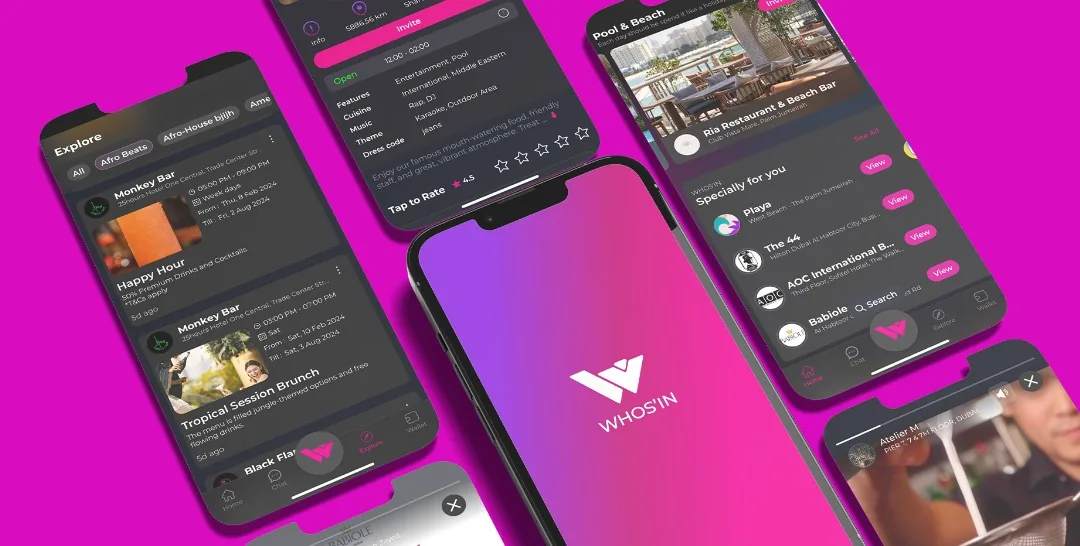
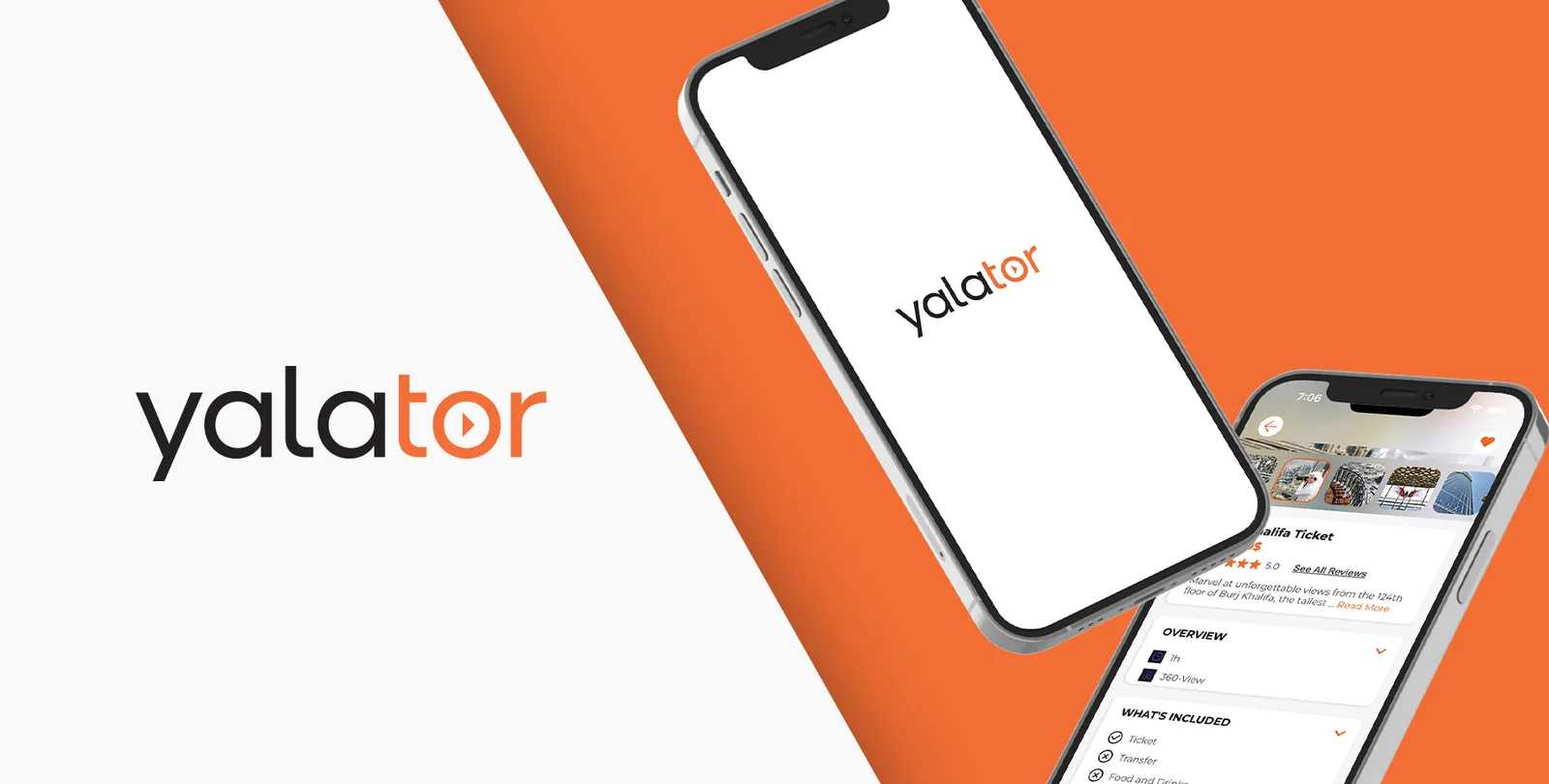
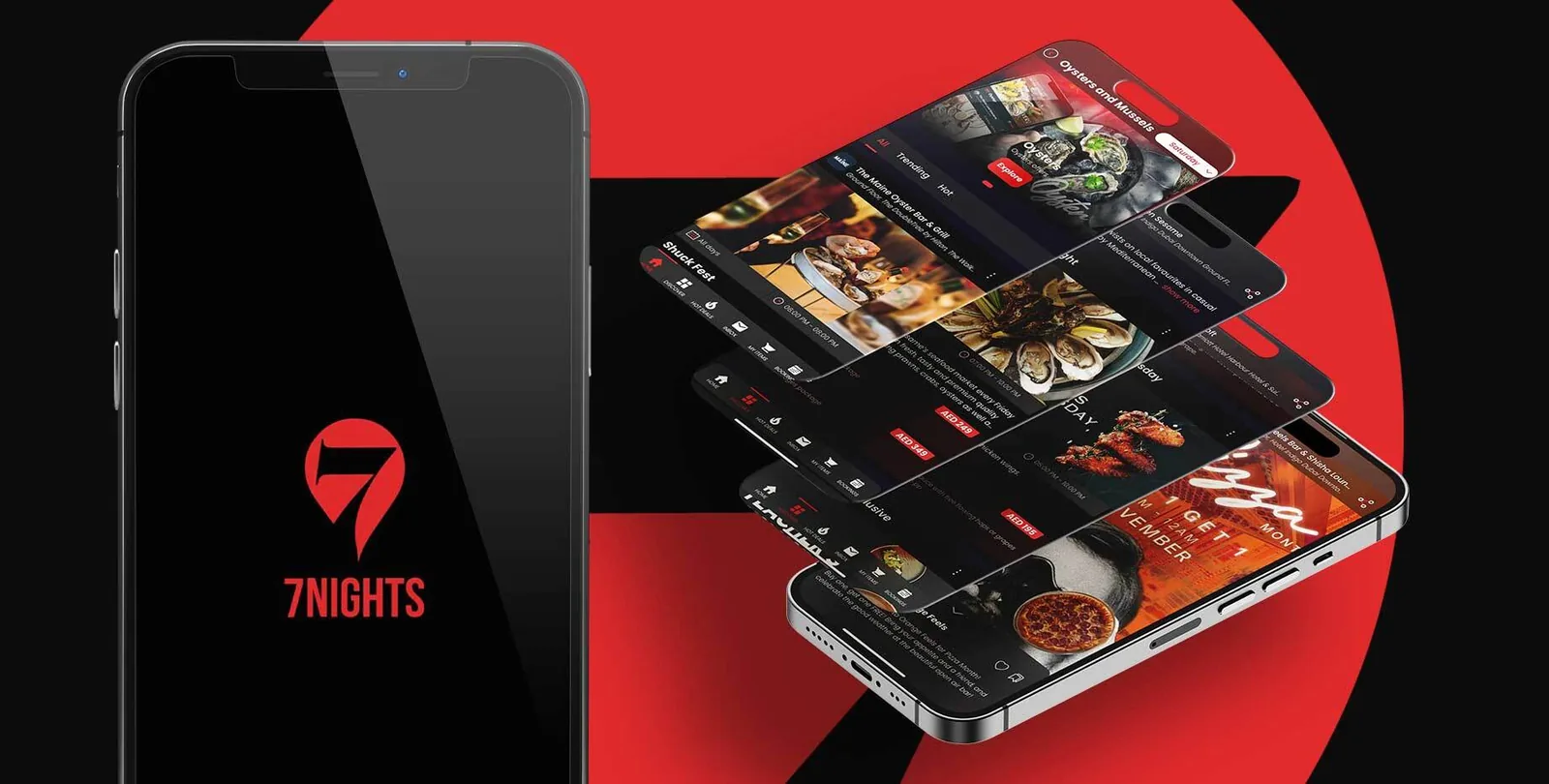
Social, nightlife and travel apps built as separate services behind an API gateway, so each part of the product can be scaled, deployed and fixed on its own.
Seen in WHOS’IN APP, 7NIGHTS app Development and Yalator App
- 04
Changing a live platform without stopping it
Legacy services are replaced one at a time. Each new service runs beside the old one, takes a small share of traffic, then takes over once it has been checked. No big-bang cutover, and users never notice.
Seen in WHOS’IN APP
- 05
Pipelines and tests at every layer
GitHub Actions build, check and test every change before it ships: unit, API and end-to-end checks, plus browser tests on real screens. Deploys run in Docker and are rehearsed before production.
Seen in Ruwad Connect and Giftze
- 06
Mobile and backend, end to end
Mobile apps in Flutter and native iOS, backends in Go and Node.js, admin panels and supplier portals, Stripe checkout and payment gateways, booking marketplaces and personal finance apps.
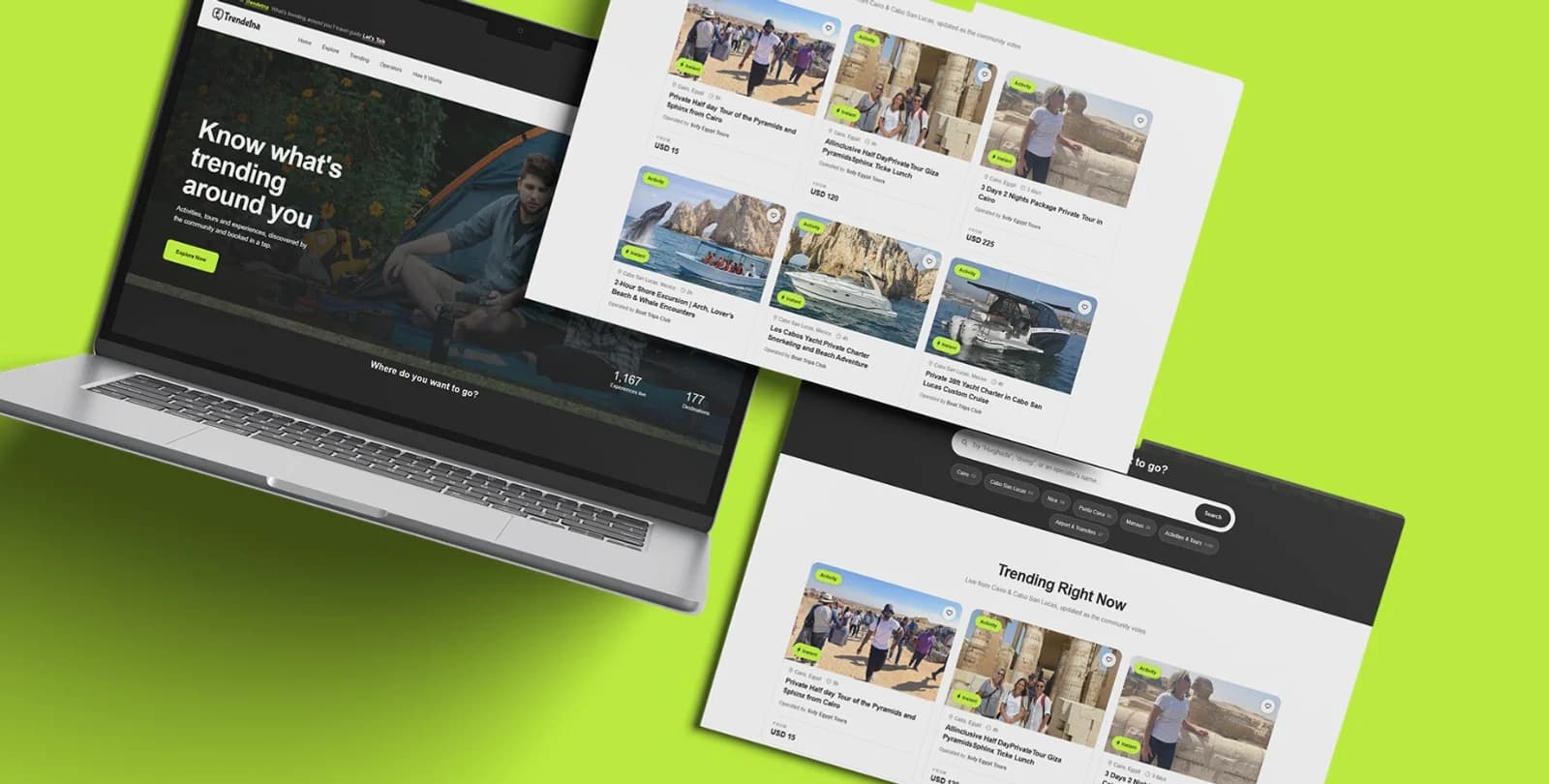
Seen in Giftze, WHOS’IN APP, Trendetna and Payvora
Method
How we work on this
Four steps, and what each one means for this kind of work.
Step 01
Brief: the backlog, the codebase and the rules
You send the brief with the product, the backlog you want moved, the repositories and environments involved, and the rules your team ships by. Read access under NDA is what lets the review judge the work instead of guessing at it.
Step 02
Review: a senior engineer replies within one business day
The reply is a yes, a no with a reason, or the questions we need answered. A yes names the slice of the backlog we would start on and the access the agents need on day one, no more.
Step 03
Scope: the slice, the guardrails, the date and the price
A written scope lists the tickets in the first slice, the tests that must pass, the permissions and secrets policy the agents run under, who reviews what, and a fixed price and date. Ongoing delivery is a retainer stated in hours and responsibilities.
Step 04
Build: a live slice first, then scale
The first slice ships to your environment with its test results, so you judge the method on your own code. Then we scale up, and your team gets the playbook: the agent rules, the pipeline and the review routine, written down and theirs to keep.
Region
Delivered in the Gulf
The specifics that decide whether a build works in the UAE and Saudi Arabia, handled as part of the scope rather than discovered after launch.
Teams in the UAE and Saudi Arabia have to know where their code and their data go. Agents run under your accounts and permissions, only on tools your policy allows, and personal data stays where the PDPL and the UAE Data Protection Law say it should. The scope writes the policy down before the first ticket is touched.
We work directly with your product and engineering leads, in English and Arabic, across the Gulf and Egypt, on products whose users expect Arabic to work through the whole stack, not only in the interface.
Investment
Pricing
Indicative ranges for accepted projects. Every quote is written against the scope agreed at the review.
A first slice of the backlog is a fixed price against the written scope; ongoing delivery is a monthly retainer stated in hours and responsibilities. See ranges →
Proof
Related work
Cases from the public part of the record in this discipline. Open any of them for the brief, the build and the screens.


Reading
Further reading
What we have already written on this, and where the rest of the answer lives on this site.
Answers
AI-Assisted Software Delivery questions
The things clients ask before they sign. If yours is not here, ask us directly.
Do you take every project?
No. A senior engineer reads every brief and we accept the engagements where agents will move a real backlog without lowering the bar. A team that wants agents to replace review, a product with no tests and no time to add them, or a backlog nobody can prioritise gets a straight no with the reason.
Who owns the code?
You do. Every line the agents and our engineers write is yours, with the rights assigned in the contract, and it lives in your repositories from the first commit. The agent rules, the pipeline and the playbook are handed over too, so your team can keep working this way after we leave.
Does AI-written code get reviewed?
Every change. Agents propose, senior engineers review, and nothing merges until the tests in the pipeline pass. The review is the part we never automate, because it is where the judgement about your product lives. You can see who or what wrote each change and why it was approved.
Which AI tools do you use?
Claude Code and MCP-based tools are what we run every day. If your company has standardised on another assistant or agent framework, we work inside it and your policies rather than bringing our own accounts, and the scope names the tools before the work starts.
Can you work on an existing microservices platform?
Yes. We have built and run consumer platforms as separate services behind an API gateway, and moved live platforms from old services to new ones one at a time, with each new service proven on a share of real traffic before it takes over. Read access lets us say what that would take for yours.
Next
Works well with
Most engagements combine two or three of these. They are built by the same team, so nothing has to be integrated after the fact.
- Technical ConsultancyWe advise on architecture, technology choices, and engineering decisions, from a team that ships production software every day.
- Mobile App DevelopmentWe build native-grade iOS and Android apps from first scope to a live release, with the backend, analytics, and release pipeline to match.
- Custom Web DevelopmentCustom websites, portals and platforms engineered from scratch: Next.js on the front, Node.js or Go on the back, PostgreSQL underneath.
Submit a brief.
A lead reads every brief and replies within one business day with a yes, a no, or the questions we need answered before we can say.
Already delivered: Consumer platforms built on microservices and running in production for GCC apps (WHOS'IN, 7NIGHTS, Yalator).